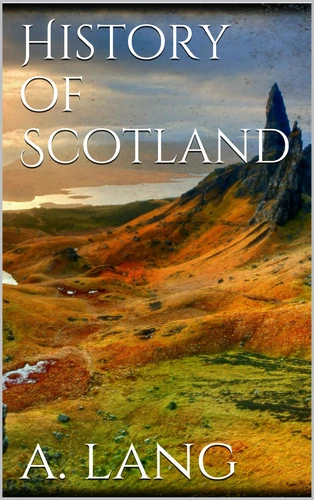
History of Scotland
Par :Formats :
Disponible dans votre compte client Decitre ou Furet du Nord dès validation de votre commande. Le format ePub est :
- Compatible avec une lecture sur My Vivlio (smartphone, tablette, ordinateur)
- Compatible avec une lecture sur liseuses Vivlio
- Pour les liseuses autres que Vivlio, vous devez utiliser le logiciel Adobe Digital Edition. Non compatible avec la lecture sur les liseuses Kindle, Remarkable et Sony
 , qui est-ce ?
Notre partenaire de plateforme de lecture numérique où vous retrouverez l'ensemble de vos ebooks gratuitement
Pour en savoir plus sur nos ebooks, consultez notre aide en ligne ici
C'est si simple ! Lisez votre ebook avec l'app Vivlio sur votre tablette, mobile ou ordinateur :

- Nombre de pages323
- FormatePub
- ISBN978-3-7481-8890-2
- EAN9783748188902
- Date de parution21/01/2019
- Protection num.Digital Watermarking
- Taille724 Ko
- Infos supplémentairesepub
- ÉditeurBooks on Demand
Résumé
If we could see in a magic mirror the country now called Scotland as it was when the Romans under Agricola (81 A. D.) crossed the Border, we should recognise little but the familiar hills and mountains. The rivers, in the plains, overflowed their present banks; dense forests of oak and pine, haunted by great red deer, elks, and boars, covered land that has long been arable. There were lakes and lagoons where for centuries there have been fields of corn.
On the oldest sites of our towns were groups of huts made of clay and wattle, and dominated, perhaps, by the large stockaded house of the tribal prince. In the lochs, natural islands, or artificial islets made of piles (crannogs), afforded standing-ground and protection to villages, if indeed these lake-dwellings are earlier in Scotland than the age of war that followed the withdrawal of the Romans.
On the oldest sites of our towns were groups of huts made of clay and wattle, and dominated, perhaps, by the large stockaded house of the tribal prince. In the lochs, natural islands, or artificial islets made of piles (crannogs), afforded standing-ground and protection to villages, if indeed these lake-dwellings are earlier in Scotland than the age of war that followed the withdrawal of the Romans.
A propos de Andrew Lang

3,49 €
3,49 €
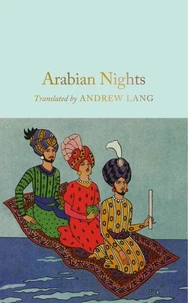
Arabian Nights
E-book
3,99 €
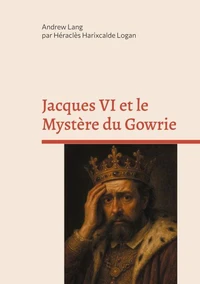
3,49 €
Tales of Troy (Unabridged)
Audiobook
5,49 €

Summers Ending (Unabridged)
Audiobook
5,49 €

A Collection of Ballads (Unabridged)
Audiobook
5,49 €
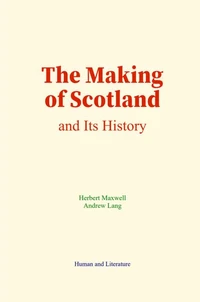
4,49 €
4,99 €
4,49 €
The Blue Fairy Book
E-book
3,91 €
The World's Desire
E-book
6,99 €
4,22 €
4,22 €
1,99 €
1,99 €
1,99 €