SOLDES
Jusqu'à -70% sur une sélection d'articles*

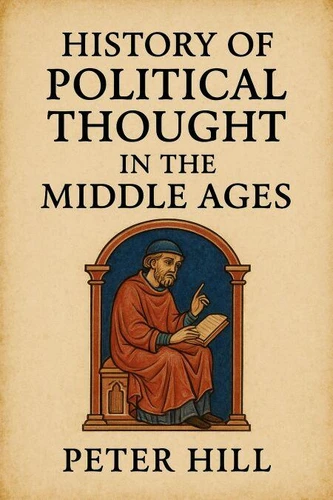
History of Political Thought in the Middle Ages
Par :Formats :
Disponible dans votre compte client Decitre ou Furet du Nord dès validation de votre commande. Le format ePub est :
- Compatible avec une lecture sur My Vivlio (smartphone, tablette, ordinateur)
- Compatible avec une lecture sur liseuses Vivlio
- Pour les liseuses autres que Vivlio, vous devez utiliser le logiciel Adobe Digital Edition. Non compatible avec la lecture sur les liseuses Kindle, Remarkable et Sony
 , qui est-ce ?
Notre partenaire de plateforme de lecture numérique où vous retrouverez l'ensemble de vos ebooks gratuitement
Pour en savoir plus sur nos ebooks, consultez notre aide en ligne ici
C'est si simple ! Lisez votre ebook avec l'app Vivlio sur votre tablette, mobile ou ordinateur :

- FormatePub
- ISBN8230314295
- EAN9798230314295
- Date de parution20/05/2025
- Protection num.pas de protection
- Infos supplémentairesepub
- ÉditeurIndependently Published
Résumé
History of Political Thought in the Middle Ages offers a riveting intellectual journey through one of history's most misunderstood periods-revealing how the political ideas we take for granted today were forged in the crucible of medieval Europe. Far from the "Dark Ages" of popular imagination, this groundbreaking book illuminates the rich, sophisticated political theories developed between the fall of Rome and the dawn of the Renaissance.
Drawing on previously overlooked sources and offering fresh interpretations of classic texts, this book reveals medieval thinkers as they truly were: brilliant, pragmatic, and revolutionary minds wrestling with timeless questions about power, justice, and governance. Readers will discover how the foundations of modern concepts-from constitutionalism and consent to sovereignty and resistance-were established centuries before Locke, Hobbes, or Rousseau.
From Augustine's City of God to Machiavelli's Prince, this compelling narrative traces the evolution of political thought through pivotal moments of crisis and innovation:· How the collapse of Rome spurred Augustine and Boethius to reimagine political authority in a world without emperors· The revolutionary papal claims that transformed the relationship between spiritual and temporal power· The brilliant legal minds who revived Roman law and created sophisticated theories of sovereignty still relevant today· The emergence of revolutionary republican ideas in Italian city-states· The radical critiques of authority by thinkers like Wyclif and Marsilius that anticipated the Reformation· The first articulations of consent, representation, and natural rights that would later fuel democratic revolutionsHistory of Political Thought in the Middle Ages challenges conventional wisdom about the medieval world, revealing a vibrant intellectual landscape where Byzantine emperors, Islamic philosophers, Jewish scholars, canon lawyers, university professors, and even ordinary citizens debated the nature of legitimate authority.
Written with both scholarly precision and narrative flair, this book will appeal to readers fascinated by the history of ideas, political philosophy, religious history, and anyone seeking deeper understanding of how our modern political concepts truly originated. It offers essential insight for our own age of political transformation, showing how societies have navigated the perennial tension between transcendent principles and pragmatic governance-between God and the Prince.
Drawing on previously overlooked sources and offering fresh interpretations of classic texts, this book reveals medieval thinkers as they truly were: brilliant, pragmatic, and revolutionary minds wrestling with timeless questions about power, justice, and governance. Readers will discover how the foundations of modern concepts-from constitutionalism and consent to sovereignty and resistance-were established centuries before Locke, Hobbes, or Rousseau.
From Augustine's City of God to Machiavelli's Prince, this compelling narrative traces the evolution of political thought through pivotal moments of crisis and innovation:· How the collapse of Rome spurred Augustine and Boethius to reimagine political authority in a world without emperors· The revolutionary papal claims that transformed the relationship between spiritual and temporal power· The brilliant legal minds who revived Roman law and created sophisticated theories of sovereignty still relevant today· The emergence of revolutionary republican ideas in Italian city-states· The radical critiques of authority by thinkers like Wyclif and Marsilius that anticipated the Reformation· The first articulations of consent, representation, and natural rights that would later fuel democratic revolutionsHistory of Political Thought in the Middle Ages challenges conventional wisdom about the medieval world, revealing a vibrant intellectual landscape where Byzantine emperors, Islamic philosophers, Jewish scholars, canon lawyers, university professors, and even ordinary citizens debated the nature of legitimate authority.
Written with both scholarly precision and narrative flair, this book will appeal to readers fascinated by the history of ideas, political philosophy, religious history, and anyone seeking deeper understanding of how our modern political concepts truly originated. It offers essential insight for our own age of political transformation, showing how societies have navigated the perennial tension between transcendent principles and pragmatic governance-between God and the Prince.
A propos de Peter Hill


3,49 €

3,49 €

2,99 €

0,99 €


3,49 €

1,99 €
1,99 €