SOLDES
Jusqu'à -70% sur une sélection d'articles*

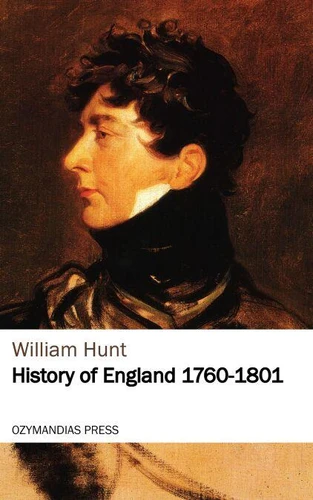
History of England 1760 - 1801
Par :Formats :
Disponible dans votre compte client Decitre ou Furet du Nord dès validation de votre commande. Le format ePub est :
- Compatible avec une lecture sur My Vivlio (smartphone, tablette, ordinateur)
- Compatible avec une lecture sur liseuses Vivlio
- Pour les liseuses autres que Vivlio, vous devez utiliser le logiciel Adobe Digital Edition. Non compatible avec la lecture sur les liseuses Kindle, Remarkable et Sony
 , qui est-ce ?
Notre partenaire de plateforme de lecture numérique où vous retrouverez l'ensemble de vos ebooks gratuitement
Pour en savoir plus sur nos ebooks, consultez notre aide en ligne ici
C'est si simple ! Lisez votre ebook avec l'app Vivlio sur votre tablette, mobile ou ordinateur :

- Nombre de pages718
- FormatePub
- ISBN978-1-5312-8171-7
- EAN9781531281717
- Date de parution19/01/2018
- Protection num.Digital Watermarking
- Taille2 Mo
- Infos supplémentairesepub
- ÉditeurJovian Press
Résumé
George III. was in his twenty-third year when he succeeded his grandfather, George II., on October 25, 1760. His accession caused general satisfaction. The jacobite schism had come to an end; no one imagined that a restoration of the exiled house was possible, or seriously wished that it might take place. The remembrance of the rising of '45 strengthened the general feeling of loyalty to the reigning house; the Old Pretender had lost all interest in public affairs, and his son, Charles Edward, was a confirmed drunkard, and had alienated his friends by his disreputable life.
Englishmen were determined not to have another Roman catholic king, and they were too proud of their country willingly to accept as their king a prince who was virtually a foreigner as well as a papist, and whose cause had in past years been maintained by the enemies of England. It is true that their last two kings had been foreigners, but this was so no longer; their new king had been born and brought up among them and was an Englishman to the backbone.
He succeeded an old king of coarse manners and conversation and of openly immoral life, and his youth and the respectability of his morals added to the pleasure with which his people greeted him as a sovereign of their own nation.
Englishmen were determined not to have another Roman catholic king, and they were too proud of their country willingly to accept as their king a prince who was virtually a foreigner as well as a papist, and whose cause had in past years been maintained by the enemies of England. It is true that their last two kings had been foreigners, but this was so no longer; their new king had been born and brought up among them and was an Englishman to the backbone.
He succeeded an old king of coarse manners and conversation and of openly immoral life, and his youth and the respectability of his morals added to the pleasure with which his people greeted him as a sovereign of their own nation.