SOLDES
Jusqu'à -70% sur une sélection d'articles*


History of Catiline's Conspiracy. A Gripping Account of Political Intrigue and Moral Corruption in Ancient Rome
Par : ,Formats :
Disponible dans votre compte client Decitre ou Furet du Nord dès validation de votre commande. Le format ePub est :
- Compatible avec une lecture sur My Vivlio (smartphone, tablette, ordinateur)
- Compatible avec une lecture sur liseuses Vivlio
- Pour les liseuses autres que Vivlio, vous devez utiliser le logiciel Adobe Digital Edition. Non compatible avec la lecture sur les liseuses Kindle, Remarkable et Sony
 , qui est-ce ?
Notre partenaire de plateforme de lecture numérique où vous retrouverez l'ensemble de vos ebooks gratuitement
Pour en savoir plus sur nos ebooks, consultez notre aide en ligne ici
C'est si simple ! Lisez votre ebook avec l'app Vivlio sur votre tablette, mobile ou ordinateur :

- Nombre de pages52
- FormatePub
- ISBN406-4-06-646753-1
- EAN4064066467531
- Date de parution10/04/2021
- Protection num.Digital Watermarking
- Taille582 Ko
- Infos supplémentairesepub
- ÉditeurGOOD PRESS
Résumé
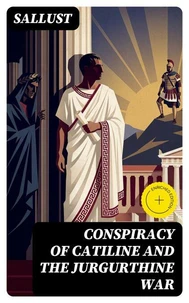
In his incisive work, "History of Catiline's Conspiracy, " Sallust delves into the political turmoil of late Republican Rome, vividly narrating the dramatic events surrounding the infamous conspiracy led by Lucius Sergius Catilina in 63 BCE. Sallust's succinct and penetrating prose exemplifies the literary style of Roman historiography, marked by a blend of moral reflection and political analysis.
The text serves as both a historical chronicle and a moral treatise, revealing the decay of Roman virtues and the rise of corruption, while employing rhetorical devices that engage the reader in the complex narrative of ambition and betrayal. Sallust, a politician and historian himself, was deeply affected by the moral decline and factionalism of his time, which undoubtedly informed his critical perspectives on power and ethics.
His background in politics and close association with influential figures placed him in a unique position to witness the rising tensions in Roman society, reflecting a commitment to unveil the truth about the contemporary political landscape. Writing after the fall of the Republic, Sallust'Äôs insights convey a sense of urgency and relevance that resonates with the challenges of leadership and integrity.
For readers interested in the intricate dynamics of power and betrayal, "History of Catiline's Conspiracy" offers an essential exploration not only of a pivotal event in Roman history but also of the timeless human struggles inherent in political life. Sallust's work remains a crucial resource for understanding the complexities of governance and moral integrity, making it a must-read for scholars and enthusiasts of classical history alike.
The text serves as both a historical chronicle and a moral treatise, revealing the decay of Roman virtues and the rise of corruption, while employing rhetorical devices that engage the reader in the complex narrative of ambition and betrayal. Sallust, a politician and historian himself, was deeply affected by the moral decline and factionalism of his time, which undoubtedly informed his critical perspectives on power and ethics.
His background in politics and close association with influential figures placed him in a unique position to witness the rising tensions in Roman society, reflecting a commitment to unveil the truth about the contemporary political landscape. Writing after the fall of the Republic, Sallust'Äôs insights convey a sense of urgency and relevance that resonates with the challenges of leadership and integrity.
For readers interested in the intricate dynamics of power and betrayal, "History of Catiline's Conspiracy" offers an essential exploration not only of a pivotal event in Roman history but also of the timeless human struggles inherent in political life. Sallust's work remains a crucial resource for understanding the complexities of governance and moral integrity, making it a must-read for scholars and enthusiasts of classical history alike.
A propos de Sallust


0,99 €


9,49 €