SOLDES
Jusqu'à -70% sur une sélection d'articles*

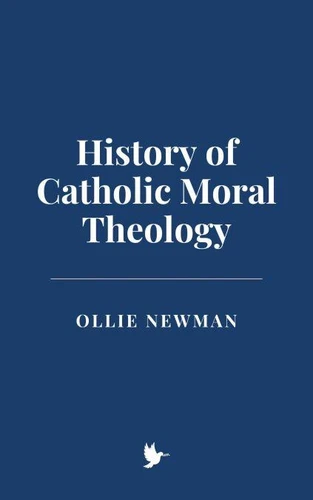
History of Catholic Moral Theology
Par :Formats :
Disponible dans votre compte client Decitre ou Furet du Nord dès validation de votre commande. Le format ePub est :
- Compatible avec une lecture sur My Vivlio (smartphone, tablette, ordinateur)
- Compatible avec une lecture sur liseuses Vivlio
- Pour les liseuses autres que Vivlio, vous devez utiliser le logiciel Adobe Digital Edition. Non compatible avec la lecture sur les liseuses Kindle, Remarkable et Sony
 , qui est-ce ?
Notre partenaire de plateforme de lecture numérique où vous retrouverez l'ensemble de vos ebooks gratuitement
Pour en savoir plus sur nos ebooks, consultez notre aide en ligne ici
C'est si simple ! Lisez votre ebook avec l'app Vivlio sur votre tablette, mobile ou ordinateur :

- FormatePub
- ISBN8230153023
- EAN9798230153023
- Date de parution31/12/2024
- Protection num.pas de protection
- Infos supplémentairesepub
- ÉditeurIndependently Published
Résumé
This comprehensive study explores the history and development of Catholic moral theology, tracing its evolution from its scriptural foundations through its engagement with philosophical traditions, historical milestones, and contemporary challenges. Spanning twenty chapters, the work provides an in-depth analysis of key theological figures, concepts, and moments that have shaped Catholic moral thought.
Beginning with the moral principles found in Sacred Scripture, the narrative examines the contributions of the early Church Fathers, the synthesis of faith and reason in Scholasticism, and the pivotal role of St. Thomas Aquinas. It delves into the complexities of the Reformation and Counter-Reformation, highlighting the Council of Trent's reaffirmation of Catholic moral teachings. The rise of casuistry, the influence of the Jesuits, and the challenges of Enlightenment thought further illustrate the Church's ability to respond to evolving societal and intellectual paradigms.
The study highlights significant modern developments, including the social teachings of the Church articulated in encyclicals like Rerum Novarum and Laudato Si'. It examines the transformative influence of Vatican II, which emphasized the dignity of the human person, the role of conscience, and the Church's engagement with contemporary issues. The moral theology of St. John Paul II, especially his personalist philosophy and emphasis on truth and freedom, is analyzed alongside Pope Francis's focus on mercy, ecological ethics, and social justice.
As Catholic moral theology confronts 21st-century challenges-ranging from technological advancements and globalization to environmental crises and questions of human identity-it continues to evolve, guided by its foundational principles of human dignity, divine revelation, and the call to holiness. This study underscores the Church's enduring mission to provide moral clarity and hope in an increasingly complex world, offering a dynamic and faithful response to the ethical questions of every age.
Beginning with the moral principles found in Sacred Scripture, the narrative examines the contributions of the early Church Fathers, the synthesis of faith and reason in Scholasticism, and the pivotal role of St. Thomas Aquinas. It delves into the complexities of the Reformation and Counter-Reformation, highlighting the Council of Trent's reaffirmation of Catholic moral teachings. The rise of casuistry, the influence of the Jesuits, and the challenges of Enlightenment thought further illustrate the Church's ability to respond to evolving societal and intellectual paradigms.
The study highlights significant modern developments, including the social teachings of the Church articulated in encyclicals like Rerum Novarum and Laudato Si'. It examines the transformative influence of Vatican II, which emphasized the dignity of the human person, the role of conscience, and the Church's engagement with contemporary issues. The moral theology of St. John Paul II, especially his personalist philosophy and emphasis on truth and freedom, is analyzed alongside Pope Francis's focus on mercy, ecological ethics, and social justice.
As Catholic moral theology confronts 21st-century challenges-ranging from technological advancements and globalization to environmental crises and questions of human identity-it continues to evolve, guided by its foundational principles of human dignity, divine revelation, and the call to holiness. This study underscores the Church's enduring mission to provide moral clarity and hope in an increasingly complex world, offering a dynamic and faithful response to the ethical questions of every age.


