SOLDES
Jusqu'à -70% sur une sélection d'articles*

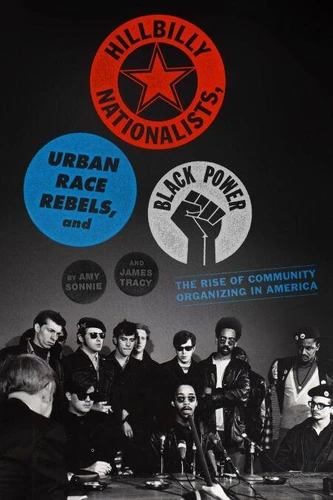
Hillbilly Nationalists, Urban Race Rebels, and Black Power. Community Organizing in Radical Times
Par : ,Formats :
Disponible dans votre compte client Decitre ou Furet du Nord dès validation de votre commande. Le format ePub protégé est :
- Compatible avec une lecture sur My Vivlio (smartphone, tablette, ordinateur)
- Compatible avec une lecture sur liseuses Vivlio
- Pour les liseuses autres que Vivlio, vous devez utiliser le logiciel Adobe Digital Edition. Non compatible avec la lecture sur les liseuses Kindle, Remarkable et Sony
- Non compatible avec un achat hors France métropolitaine
 , qui est-ce ?
Notre partenaire de plateforme de lecture numérique où vous retrouverez l'ensemble de vos ebooks gratuitement
Pour en savoir plus sur nos ebooks, consultez notre aide en ligne ici
C'est si simple ! Lisez votre ebook avec l'app Vivlio sur votre tablette, mobile ou ordinateur :

- Nombre de pages256
- FormatePub
- ISBN978-1-61219-008-2
- EAN9781612190082
- Date de parution27/09/2011
- Protection num.Adobe DRM
- Taille23 Mo
- Infos supplémentairesepub
- ÉditeurMelville House
Résumé
THE STORY OF SOME OF THE MOST IMPORTANT AND LITTLE-KNOWN ACTIVISTS OF THE 1960s, IN A DEEPLY SOURCED NARRATIVE HISTORY The historians of the late 1960s have emphasized the work of a group of white college activists who courageously took to the streets to protest the war in Vietnam and continuing racial inequality. Poor and working-class whites have tended to be painted as spectators, reactionaries, and, even, racists.
Most Americans, the story goes, just watched the political movements of the sixties go by. James Tracy and Amy Sonnie, who have been interviewing activists from the era for nearly ten years, reject this old narrative. They show that poor and working-class radicals, inspired by the Civil Rights movement, the Black Panthers, and progressive populism, started to organize significant political struggles against racism and inequality during the 1960s and 1970s.
Among these groups: + JOIN Community Union brought together southern migrants, student radicals, and welfare recipients in Chicago to fight for housing, health, and welfare .
Most Americans, the story goes, just watched the political movements of the sixties go by. James Tracy and Amy Sonnie, who have been interviewing activists from the era for nearly ten years, reject this old narrative. They show that poor and working-class radicals, inspired by the Civil Rights movement, the Black Panthers, and progressive populism, started to organize significant political struggles against racism and inequality during the 1960s and 1970s.
Among these groups: + JOIN Community Union brought together southern migrants, student radicals, and welfare recipients in Chicago to fight for housing, health, and welfare .