SOLDES
Jusqu'à -70% sur une sélection d'articles*

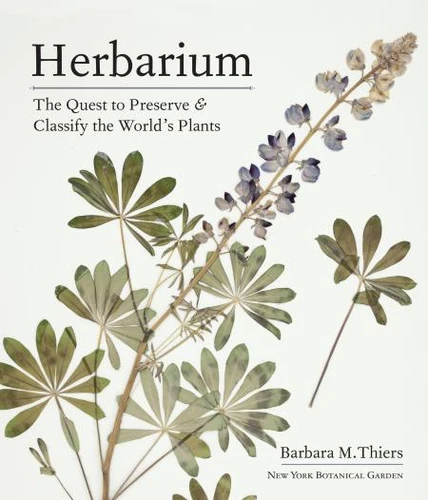
Herbarium. The Quest to Preserve & Classify the World's Plants
Par :Formats :
Disponible dans votre compte client Decitre ou Furet du Nord dès validation de votre commande. Le format ePub protégé est :
- Compatible avec une lecture sur My Vivlio (smartphone, tablette, ordinateur)
- Compatible avec une lecture sur liseuses Vivlio
- Pour les liseuses autres que Vivlio, vous devez utiliser le logiciel Adobe Digital Edition. Non compatible avec la lecture sur les liseuses Kindle, Remarkable et Sony
- Non compatible avec un achat hors France métropolitaine
 , qui est-ce ?
Notre partenaire de plateforme de lecture numérique où vous retrouverez l'ensemble de vos ebooks gratuitement
Pour en savoir plus sur nos ebooks, consultez notre aide en ligne ici
C'est si simple ! Lisez votre ebook avec l'app Vivlio sur votre tablette, mobile ou ordinateur :

- Nombre de pages304
- FormatePub
- ISBN978-1-64326-052-5
- EAN9781643260525
- Date de parution07/12/2020
- Protection num.Adobe DRM
- Infos supplémentairesepub
- ÉditeurTimber Press
Résumé
"A sweeping history of the origins, development, and future of herbaria and their role in plant consternation." -The American Gardener Since the 1500s, scientists have documented the plants and fungi that grew around them, organizing the specimens into collections. Known as herbaria, these archives helped give rise to botany as its own scientific endeavor. Herbarium is a fascinating enquiry into this unique field of plant biology, exploring how herbaria emerged and have changed over time, who promoted and contributed to them, and why they remain such an important source of data for their new role: understanding how the world's flora is changing.
Barbara Thiers, director of the William and Lynda Steere Herbarium at the New York Botanical Garden, also explains how recent innovations that allow us to see things at both the molecular level and on a global scale can be applied to herbaria specimens, helping us address some of the most critical problems facing the world today.
Barbara Thiers, director of the William and Lynda Steere Herbarium at the New York Botanical Garden, also explains how recent innovations that allow us to see things at both the molecular level and on a global scale can be applied to herbaria specimens, helping us address some of the most critical problems facing the world today.