
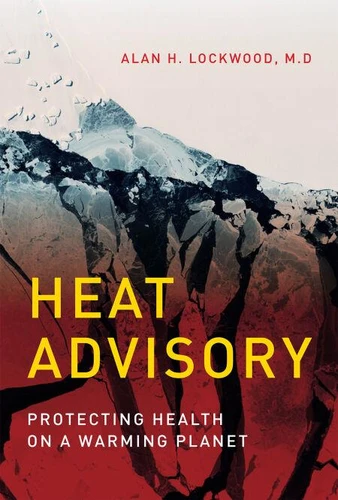
Heat Advisory. Protecting Health on a Warming Planet
Par :Formats :
Disponible dans votre compte client Decitre ou Furet du Nord dès validation de votre commande. Le format ePub protégé est :
- Compatible avec une lecture sur My Vivlio (smartphone, tablette, ordinateur)
- Compatible avec une lecture sur liseuses Vivlio
- Pour les liseuses autres que Vivlio, vous devez utiliser le logiciel Adobe Digital Edition. Non compatible avec la lecture sur les liseuses Kindle, Remarkable et Sony
- Non compatible avec un achat hors France métropolitaine
 , qui est-ce ?
Notre partenaire de plateforme de lecture numérique où vous retrouverez l'ensemble de vos ebooks gratuitement
Pour en savoir plus sur nos ebooks, consultez notre aide en ligne ici
C'est si simple ! Lisez votre ebook avec l'app Vivlio sur votre tablette, mobile ou ordinateur :

- Nombre de pages256
- FormatePub
- ISBN978-0-262-33574-4
- EAN9780262335744
- Date de parution02/09/2016
- Protection num.Adobe DRM
- Taille2 Mo
- Infos supplémentairesepub
- ÉditeurThe MIT Press
Résumé
How climate change can affect our health, from heat-related illnesses to extreme weather events. Climate change affects not just the planet but the people who live on it. In this book, physician Alan Lockwood describes how global warming will be bad for our health. Drawing on peer-reviewed scientific and medical research, Lockwood meticulously details the symptoms of climate change and their medical side effects.
Our global ecosystems create webs of interdependence that support life on the planet. Lockwood shows how climate change is affecting these ecosystems and describes the resulting impact on health. For example, rising temperatures create long-duration heat waves during which people sicken and die. Climate change increases the risk for certain infectious diseases, including malaria, dengue fever, West Nile virus, Zika, and Lyme disease.
Extreme weather and poor soil conditions cause agricultural shortfalls, leading to undernutrition and famine. There is even evidence that violence increases in warmer weather-including a study showing that pitchers throw "beanballs" (balls thrown with the intention of hitting the batter) significantly more often in hot weather. Climate change is real and it is happening now. We must use what we know to adapt to a warmer world and minimize adverse health effects: make city buildings cooler with air conditioning and "cool roofs, " for example, and mobilize resources for predicted outbreaks of disease.
But, Lockwood points out, we also need prevention. The ultimate preventive medicine is reducing greenhouse gas emissions and replacing energy sources that depend on fossil fuels with those that do not.
Our global ecosystems create webs of interdependence that support life on the planet. Lockwood shows how climate change is affecting these ecosystems and describes the resulting impact on health. For example, rising temperatures create long-duration heat waves during which people sicken and die. Climate change increases the risk for certain infectious diseases, including malaria, dengue fever, West Nile virus, Zika, and Lyme disease.
Extreme weather and poor soil conditions cause agricultural shortfalls, leading to undernutrition and famine. There is even evidence that violence increases in warmer weather-including a study showing that pitchers throw "beanballs" (balls thrown with the intention of hitting the batter) significantly more often in hot weather. Climate change is real and it is happening now. We must use what we know to adapt to a warmer world and minimize adverse health effects: make city buildings cooler with air conditioning and "cool roofs, " for example, and mobilize resources for predicted outbreaks of disease.
But, Lockwood points out, we also need prevention. The ultimate preventive medicine is reducing greenhouse gas emissions and replacing energy sources that depend on fossil fuels with those that do not.