
Nouveauté
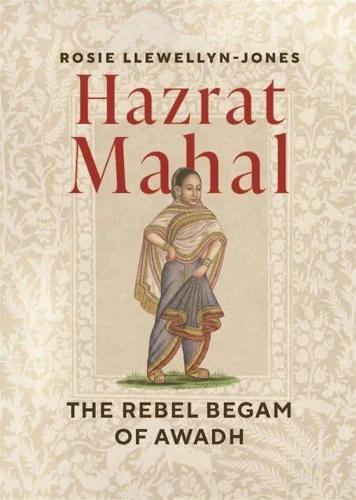
Hazrat Mahal. The Rebel Begam of Awadh
Par :Formats :
Disponible dans votre compte client Decitre ou Furet du Nord dès validation de votre commande. Le format ePub protégé est :
- Compatible avec une lecture sur My Vivlio (smartphone, tablette, ordinateur)
- Compatible avec une lecture sur liseuses Vivlio
- Pour les liseuses autres que Vivlio, vous devez utiliser le logiciel Adobe Digital Edition. Non compatible avec la lecture sur les liseuses Kindle, Remarkable et Sony
- Non compatible avec un achat hors France métropolitaine
 , qui est-ce ?
Notre partenaire de plateforme de lecture numérique où vous retrouverez l'ensemble de vos ebooks gratuitement
Pour en savoir plus sur nos ebooks, consultez notre aide en ligne ici
C'est si simple ! Lisez votre ebook avec l'app Vivlio sur votre tablette, mobile ou ordinateur :

- Nombre de pages304
- FormatePub
- ISBN978-93-6113-909-3
- EAN9789361139093
- Date de parution10/08/2026
- Protection num.Adobe DRM
- Infos supplémentairesepub
- ÉditeurPan Macmillan India
Résumé
BEGAM HAZRAT MAHAL (c. 1820-1879) is an elusive figure in Indian history - her origins and destiny have remained shrouded in ambiguity. The daughter of a slave - likely of African ancestry - and a domestic servant, her birth name is unknown. What is known is that she entered Prince Wajid Ali Shah's Pari Khana as a courtesan and was renamed thrice before emerging as Hazrat Mahal, one of his many wives.
She gave birth to the prince's son Birjis Qadr in 1844 and, after Wajid Ali inherited the throne, briefly enjoyed the position of a favourite. By the end of the decade, however, the two were divorced. In 1856, the East India Company annexed Awadh and deposed Wajid Ali Shah. The takeover was sudden and brutal, igniting fear and dissatisfaction among the people. At the same time, the events now known as the First War of Independence were stirring across India.
With Wajid Ali exiled and eventually imprisoned in Calcutta, thirteen-year-old Birjis Qadr became the royal figurehead of Awadh's rebel opposition and his mother, the begam, its de facto leader. Hazrat Mahal appeared immune to prejudice in her attempts to unite the fragmented rebels: powerful landowners, nawabi elite, religious leaders, enraged soldiers and citizenry. Despite her lack of education and experience, she devised military strategy, dealing with two, sometimes three, groups of soldiers with conflicting ideas, and negotiated with an unimaginably powerful enemy, the East India Company itself.
And at the centre of her brief rule is one of the most dramatic episodes in the history of British India: the siege of the Lucknow Residency. Drawing from decades of meticulous research and previously undiscovered archival material - Indian and British - acclaimed historian Rosie Llewellyn-Jones rescues this ruler from obscurity and renders the complexities of nineteenth-century Awadh through the story of its fiercest, most unlikely leader.
She gave birth to the prince's son Birjis Qadr in 1844 and, after Wajid Ali inherited the throne, briefly enjoyed the position of a favourite. By the end of the decade, however, the two were divorced. In 1856, the East India Company annexed Awadh and deposed Wajid Ali Shah. The takeover was sudden and brutal, igniting fear and dissatisfaction among the people. At the same time, the events now known as the First War of Independence were stirring across India.
With Wajid Ali exiled and eventually imprisoned in Calcutta, thirteen-year-old Birjis Qadr became the royal figurehead of Awadh's rebel opposition and his mother, the begam, its de facto leader. Hazrat Mahal appeared immune to prejudice in her attempts to unite the fragmented rebels: powerful landowners, nawabi elite, religious leaders, enraged soldiers and citizenry. Despite her lack of education and experience, she devised military strategy, dealing with two, sometimes three, groups of soldiers with conflicting ideas, and negotiated with an unimaginably powerful enemy, the East India Company itself.
And at the centre of her brief rule is one of the most dramatic episodes in the history of British India: the siege of the Lucknow Residency. Drawing from decades of meticulous research and previously undiscovered archival material - Indian and British - acclaimed historian Rosie Llewellyn-Jones rescues this ruler from obscurity and renders the complexities of nineteenth-century Awadh through the story of its fiercest, most unlikely leader.