Carol Briggs knows how to fix things. She's been doing it all her life-fixing problems, fixing people, fixing situations that made her uncomfortable. But when her nineteen-year-old daughter Tessa came out as gay four years ago, Carol couldn't fix it. So she said terrible things instead. Things about being wrong. Things about hell. Things a mother should never say to her child. Tessa left that night and they haven't spoken since.
Now, four years later, an envelope arrives. Cream-colored paper, embossed lettering, her daughter's careful handwriting on the front. A wedding invitation. Tessa is marrying Rebecca, and somehow-impossibly-Carol's name is on the guest list. Carol stands in her kitchen holding this invitation like it's a second chance she doesn't deserve. She has two months to figure out what to say to the daughter she drove away.
Two months to become brave enough to walk through the door Tessa has left open. Two months to learn that love isn't about fixing people-it's about showing up anyway. With the help of her Garden Club friends-three women who've taught her about grace and vulnerability and trying again when you've failed-Carol prepares to face the hardest moment of her life. Not the wedding itself, but what comes after.
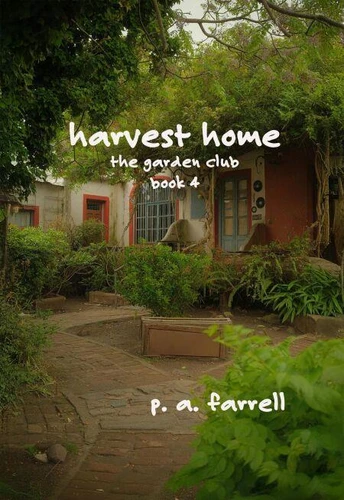
The conversation. The apology. The slow, uncertain work of rebuilding what shame and stubbornness destroyed. She can't undo what she said. She can't erase four years of silence. She can't guarantee Tessa will forgive her. But she can show up. She can be honest. She can try. Harvest Home is the powerful conclusion to The Garden Club series, a story about the courage it takes to admit you were wrong and the grace required to let someone try again.
It's about mothers and daughters, about accepting people for who they are instead of who you want them to be, and about learning that growth-like gardening-takes patience, consistency, and faith in things you can't see yet. Perfect for readers who loved The Unlikely Pilgrimage of Harold Fry and Eleanor Oliphant Is Completely Fine, this novel reminds us that it's never too late to choose love over fear.
That second chances are real. That showing up matters, even when-especially when-you're terrified. Some mistakes take years to repair. But repair is possible. One conversation. One phone call. One visit to a community garden where snapdragons bloom in honor of a daughter who's learning to let her mother back in. Carol plants those snapdragons in April. By summer, they're thriving. So is she.
Carol Briggs knows how to fix things. She's been doing it all her life-fixing problems, fixing people, fixing situations that made her uncomfortable. But when her nineteen-year-old daughter Tessa came out as gay four years ago, Carol couldn't fix it. So she said terrible things instead. Things about being wrong. Things about hell. Things a mother should never say to her child. Tessa left that night and they haven't spoken since.
Now, four years later, an envelope arrives. Cream-colored paper, embossed lettering, her daughter's careful handwriting on the front. A wedding invitation. Tessa is marrying Rebecca, and somehow-impossibly-Carol's name is on the guest list. Carol stands in her kitchen holding this invitation like it's a second chance she doesn't deserve. She has two months to figure out what to say to the daughter she drove away.
Two months to become brave enough to walk through the door Tessa has left open. Two months to learn that love isn't about fixing people-it's about showing up anyway. With the help of her Garden Club friends-three women who've taught her about grace and vulnerability and trying again when you've failed-Carol prepares to face the hardest moment of her life. Not the wedding itself, but what comes after.
The conversation. The apology. The slow, uncertain work of rebuilding what shame and stubbornness destroyed. She can't undo what she said. She can't erase four years of silence. She can't guarantee Tessa will forgive her. But she can show up. She can be honest. She can try. Harvest Home is the powerful conclusion to The Garden Club series, a story about the courage it takes to admit you were wrong and the grace required to let someone try again.
It's about mothers and daughters, about accepting people for who they are instead of who you want them to be, and about learning that growth-like gardening-takes patience, consistency, and faith in things you can't see yet. Perfect for readers who loved The Unlikely Pilgrimage of Harold Fry and Eleanor Oliphant Is Completely Fine, this novel reminds us that it's never too late to choose love over fear.
That second chances are real. That showing up matters, even when-especially when-you're terrified. Some mistakes take years to repair. But repair is possible. One conversation. One phone call. One visit to a community garden where snapdragons bloom in honor of a daughter who's learning to let her mother back in. Carol plants those snapdragons in April. By summer, they're thriving. So is she.


 , qui est-ce ?