Hamlet, Prince of Denmark
Par : ,Formats :
Disponible dans votre compte client Decitre ou Furet du Nord dès validation de votre commande. Le format ePub est :
- Compatible avec une lecture sur My Vivlio (smartphone, tablette, ordinateur)
- Compatible avec une lecture sur liseuses Vivlio
- Pour les liseuses autres que Vivlio, vous devez utiliser le logiciel Adobe Digital Edition. Non compatible avec la lecture sur les liseuses Kindle, Remarkable et Sony
 , qui est-ce ?
Notre partenaire de plateforme de lecture numérique où vous retrouverez l'ensemble de vos ebooks gratuitement
Pour en savoir plus sur nos ebooks, consultez notre aide en ligne ici
C'est si simple ! Lisez votre ebook avec l'app Vivlio sur votre tablette, mobile ou ordinateur :

- Nombre de pages82
- FormatePub
- ISBN859-65--4736051-3
- EAN8596547360513
- Date de parution16/09/2022
- Protection num.Digital Watermarking
- Taille319 Ko
- Infos supplémentairesepub
- ÉditeurDIGICAT
Résumé
William Shakespeare's "Hamlet, Prince of Denmark" stands as a monumental exploration of the human psyche, steeped in themes of revenge, madness, and existential despair. Written during the Elizabethan era, the play employs a rich tapestry of poetic dialogue and soliloquies, employing iambic pentameter to delve into the complexities of its characters' emotions and moral dilemmas. Hamlet, the conflicted prince, grapples with the weight of avenging his father's murder while questioning the nature of existence, epitomizing the Renaissance's intersection of philosophical inquiry and dramatic narrative.
Shakespeare's intricate character development and utilization of symbolism provide a profound commentary on the human condition, situating "Hamlet" within a broad literary context marked by its blending of tragedy and contemplative philosophy. William Shakespeare, often regarded as the greatest playwright of the English language, drew upon his profound understanding of human emotion and societal tensions, reflective of the political and cultural climate of late 16th-century England.
The receipt of the Elizabethan audience's curiosity about psychology and morality gave rise to the deeply personal narrative of "Hamlet, " as Shakespeare navigated his own era's complexities, including the concepts of duty, madness, and the search for truth. For readers seeking to immerse themselves in the depths of human experience, "Hamlet, Prince of Denmark" remains an essential work that resonates through time.
Its probing of the human mind, coupled with the eloquence of Shakespeare's language, creates an enduring exploration of complex themes that continue to captivate scholars, actors, and audiences alike. This timeless tragedy invites readers to reflect on their understanding of morality and existence, making it a must-read for anyone drawn to literature's power to illuminate the intricacies of life.
Shakespeare's intricate character development and utilization of symbolism provide a profound commentary on the human condition, situating "Hamlet" within a broad literary context marked by its blending of tragedy and contemplative philosophy. William Shakespeare, often regarded as the greatest playwright of the English language, drew upon his profound understanding of human emotion and societal tensions, reflective of the political and cultural climate of late 16th-century England.
The receipt of the Elizabethan audience's curiosity about psychology and morality gave rise to the deeply personal narrative of "Hamlet, " as Shakespeare navigated his own era's complexities, including the concepts of duty, madness, and the search for truth. For readers seeking to immerse themselves in the depths of human experience, "Hamlet, Prince of Denmark" remains an essential work that resonates through time.
Its probing of the human mind, coupled with the eloquence of Shakespeare's language, creates an enduring exploration of complex themes that continue to captivate scholars, actors, and audiences alike. This timeless tragedy invites readers to reflect on their understanding of morality and existence, making it a must-read for anyone drawn to literature's power to illuminate the intricacies of life.
A propos de William Shakespeare
2,99 €
19,99 €

0,99 €
Romeo and Juliet
E-book
0,99 €
The Tempest
E-book
0,99 €
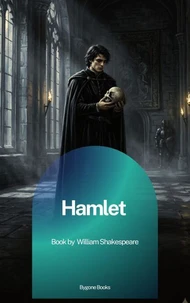
Hamlet
E-book
0,99 €
Othello
E-book
0,99 €
Macbeth
E-book
0,99 €

Koning Richard de Derde
E-book
1,99 €

1,99 €

El Marxant de Venecia
E-book
0,49 €

4,99 €
4,99 €
4,99 €