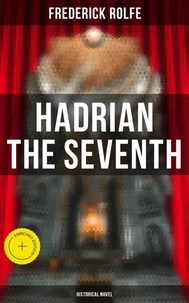
Hadrian The Seventh
Par :Formats :
Disponible dans votre compte client Decitre ou Furet du Nord dès validation de votre commande. Le format ePub est :
- Compatible avec une lecture sur My Vivlio (smartphone, tablette, ordinateur)
- Compatible avec une lecture sur liseuses Vivlio
- Pour les liseuses autres que Vivlio, vous devez utiliser le logiciel Adobe Digital Edition. Non compatible avec la lecture sur les liseuses Kindle, Remarkable et Sony
 , qui est-ce ?
Notre partenaire de plateforme de lecture numérique où vous retrouverez l'ensemble de vos ebooks gratuitement
Pour en savoir plus sur nos ebooks, consultez notre aide en ligne ici
C'est si simple ! Lisez votre ebook avec l'app Vivlio sur votre tablette, mobile ou ordinateur :

- Nombre de pages446
- FormatePub
- ISBN978-3-355-54398-9
- EAN9783355543989
- Date de parution19/05/2026
- Protection num.Digital Watermarking
- Taille2 Mo
- Infos supplémentairesepub
- ÉditeurNeues Leben
Résumé
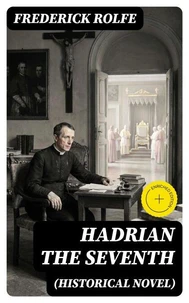
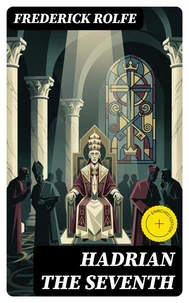
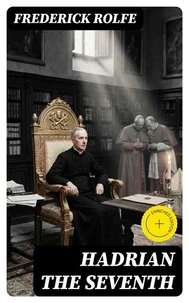
George Arthur Rose aspired to the priesthood, but after being much abused and taken advantage of for many years by his Catholic brothers, he finds himself disillusioned with humanity. But just as the secret conclave in Rome is deadlocked in the election of the next Pope, he finds himself rediscovered. A compromise in the election results in Rose being chosen for the office, and he styles himself as Hadrian the Seventh.
With his new authority, he implements church reforms and a program to bring Christian order to the nations of the world. Frederick Rolfe was considered an eccentric, as evidenced by his often-idiosyncratic spelling ("Xystine Chapel") and made-up words like "contortuplications" and "occession." Hadrian the Seventh , written under the pen name of "Baron Corvo, " is a novel of wish-fulfillment, reflecting Rolfe's vision of how he wants to order the world given unlimited power.
Written before the world wars and amid the increasing secularization of twentieth century society, it was perhaps almost-plausible to think that a religious figure could get everyone on the same program merely by moral persuasion. Frederick Rolfe (died 1913) was a prominent voice of the late 19th and early 20th century. Their work has endured across generations and continues to be read and studied worldwide.
As a work of classic literary fiction, Hadrian The Seventh exemplifies the narrative craft and social insight that defined great storytelling of its era. Literary fiction of this period was characterized by careful attention to character psychology, social milieu, and the moral questions that animated public discourse.
With his new authority, he implements church reforms and a program to bring Christian order to the nations of the world. Frederick Rolfe was considered an eccentric, as evidenced by his often-idiosyncratic spelling ("Xystine Chapel") and made-up words like "contortuplications" and "occession." Hadrian the Seventh , written under the pen name of "Baron Corvo, " is a novel of wish-fulfillment, reflecting Rolfe's vision of how he wants to order the world given unlimited power.
Written before the world wars and amid the increasing secularization of twentieth century society, it was perhaps almost-plausible to think that a religious figure could get everyone on the same program merely by moral persuasion. Frederick Rolfe (died 1913) was a prominent voice of the late 19th and early 20th century. Their work has endured across generations and continues to be read and studied worldwide.
As a work of classic literary fiction, Hadrian The Seventh exemplifies the narrative craft and social insight that defined great storytelling of its era. Literary fiction of this period was characterized by careful attention to character psychology, social milieu, and the moral questions that animated public discourse.
A propos de Frederick Rolfe

0,99 €
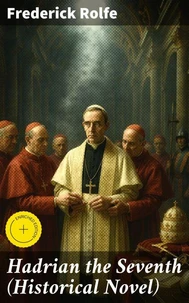
Hadrian the Seventh
E-book
1,99 €