SOLDES
Jusqu'à -70% sur une sélection d'articles*

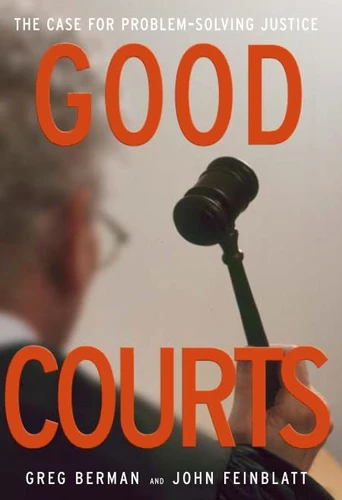
Good Courts: The Case for Problem-Solving Justice
Par : ,Formats :
Disponible dans votre compte client Decitre ou Furet du Nord dès validation de votre commande. Le format ePub est :
- Compatible avec une lecture sur My Vivlio (smartphone, tablette, ordinateur)
- Compatible avec une lecture sur liseuses Vivlio
- Pour les liseuses autres que Vivlio, vous devez utiliser le logiciel Adobe Digital Edition. Non compatible avec la lecture sur les liseuses Kindle, Remarkable et Sony
 , qui est-ce ?
Notre partenaire de plateforme de lecture numérique où vous retrouverez l'ensemble de vos ebooks gratuitement
Pour en savoir plus sur nos ebooks, consultez notre aide en ligne ici
C'est si simple ! Lisez votre ebook avec l'app Vivlio sur votre tablette, mobile ou ordinateur :

- FormatePub
- ISBN978-1-61027-331-2
- EAN9781610273312
- Date de parution04/12/2015
- Protection num.pas de protection
- Infos supplémentairesepub
- ÉditeurMark Childress
Résumé
Presented in a new digital edition, and adding a Foreword by Jonathan Lippman, Chief Judge of the state of New York, 'Good Courts' is now available as an eBook to criminal justice workers, jurists, lawyers, political scientists, court officials, and others interested in the future of alternative justice and process in the United States. Public confidence in American criminal courts is at an all-time low.
Victims, communities, and even offenders view courts as unable to respond adequately to complex social and legal problems including drugs, prostitution, domestic violence, and quality-of-life crime. Even many judges and attorneys think that the courts produce assembly-line justice. Increasingly embraced by even the most hard-on-crime jurists, problem-solving courts offer an effective alternative. As documented by Greg Berman and John Feinblatt-both of whom were instrumental in setting up New York's Midtown Community Court and Red Hook Community Justice Center, two of the nation's premier models for problem-solving justice-these alternative courts reengineer the way everyday crime is addressed by focusing on the underlying problems that bring people into the criminal justice system to begin with.
The first book to describe this cutting-edge movement in detail, 'Good Courts' features, in addition to the Midtown and Red Hook models, an in-depth look at Oregon's Portland Community Court. And it reviews the growing body of evidence that the problem-solving approach to justice is indeed producing positive results around the country.
Victims, communities, and even offenders view courts as unable to respond adequately to complex social and legal problems including drugs, prostitution, domestic violence, and quality-of-life crime. Even many judges and attorneys think that the courts produce assembly-line justice. Increasingly embraced by even the most hard-on-crime jurists, problem-solving courts offer an effective alternative. As documented by Greg Berman and John Feinblatt-both of whom were instrumental in setting up New York's Midtown Community Court and Red Hook Community Justice Center, two of the nation's premier models for problem-solving justice-these alternative courts reengineer the way everyday crime is addressed by focusing on the underlying problems that bring people into the criminal justice system to begin with.
The first book to describe this cutting-edge movement in detail, 'Good Courts' features, in addition to the Midtown and Red Hook models, an in-depth look at Oregon's Portland Community Court. And it reviews the growing body of evidence that the problem-solving approach to justice is indeed producing positive results around the country.