
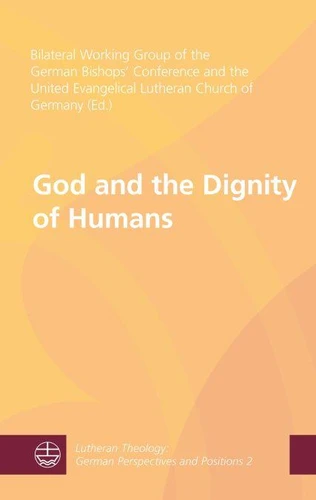
God and the Dignity of Humans
Par :Formats :
Disponible dans votre compte client Decitre ou Furet du Nord dès validation de votre commande. Le format PDF est :
- Compatible avec une lecture sur My Vivlio (smartphone, tablette, ordinateur)
- Compatible avec une lecture sur liseuses Vivlio
- Pour les liseuses autres que Vivlio, vous devez utiliser le logiciel Adobe Digital Edition. Non compatible avec la lecture sur les liseuses Kindle, Remarkable et Sony
 , qui est-ce ?
Notre partenaire de plateforme de lecture numérique où vous retrouverez l'ensemble de vos ebooks gratuitement
Pour en savoir plus sur nos ebooks, consultez notre aide en ligne ici
C'est si simple ! Lisez votre ebook avec l'app Vivlio sur votre tablette, mobile ou ordinateur :

- Nombre de pages192
- FormatPDF
- ISBN978-3-374-06431-1
- EAN9783374064311
- Date de parution01/09/2020
- Protection num.Digital Watermarking
- Taille3 Mo
- Infos supplémentairespdf
- ÉditeurEvangelische Verlagsanstalt
Résumé
Is it possible for the churches to take a joint stand on human dignity, even though they hold different positions in certain ethical questions? This study paper by the (Roman Catholic) German Bishops' Conference and the United Evangelical Lutheran Church of Germany, which is available in English for the first time, explores new paths in the ecumenical handling of ethical questions. Using the methodology of "differentiated consensus", the authors outline the theological similarities of the churches' teaching of anthropology, whilst still doing justice to their differences in the ethical assessment of individual issues of human conduct.
In this way, Catholics and Lutherans adopt a common position and make a theologically responsible contribution to ethical judgement. [Gott und die Würde des Menschen] Ist trotz einzelner Differenzen in ethischen Fragen ein gemeinsames Eintreten der Kirchen für Menschenwürde möglich? Der Text der Deutschen Bischofskonferenz und der Vereinigten Evangelisch-Lutherischen Kirche Deutschlands, der erstmals auf Englisch vorliegt, erprobt neue Wege für den ökumenischen Umgang mit ethischen Fragestellungen: Mit der Methode des "differenzierten Konsenses" werden die theologischen Gemeinsamkeiten der Kirchen in der Lehre vom Menschen aufgezeigt, zugleich versucht die Methode, den Unterschieden in der ethischen Bewertung einzelner Fragen menschlicher Lebensführung gerecht zu werden.
So beziehen Katholiken und Lutheraner gemeinsam Position und leisten einen theologisch verantworteten Beitrag zur ethischen Urteilsbildung.
In this way, Catholics and Lutherans adopt a common position and make a theologically responsible contribution to ethical judgement. [Gott und die Würde des Menschen] Ist trotz einzelner Differenzen in ethischen Fragen ein gemeinsames Eintreten der Kirchen für Menschenwürde möglich? Der Text der Deutschen Bischofskonferenz und der Vereinigten Evangelisch-Lutherischen Kirche Deutschlands, der erstmals auf Englisch vorliegt, erprobt neue Wege für den ökumenischen Umgang mit ethischen Fragestellungen: Mit der Methode des "differenzierten Konsenses" werden die theologischen Gemeinsamkeiten der Kirchen in der Lehre vom Menschen aufgezeigt, zugleich versucht die Methode, den Unterschieden in der ethischen Bewertung einzelner Fragen menschlicher Lebensführung gerecht zu werden.
So beziehen Katholiken und Lutheraner gemeinsam Position und leisten einen theologisch verantworteten Beitrag zur ethischen Urteilsbildung.