
Nouveauté
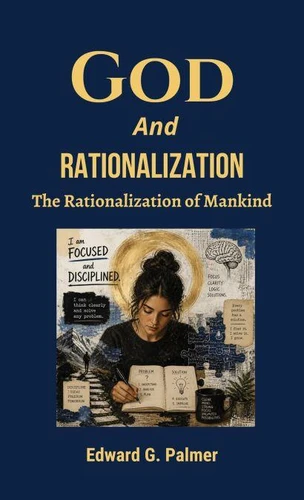
God And Rationalization: The Rationalization of Mankind
Par :Formats :
Disponible dans votre compte client Decitre ou Furet du Nord dès validation de votre commande. Le format ePub est :
- Compatible avec une lecture sur My Vivlio (smartphone, tablette, ordinateur)
- Compatible avec une lecture sur liseuses Vivlio
- Pour les liseuses autres que Vivlio, vous devez utiliser le logiciel Adobe Digital Edition. Non compatible avec la lecture sur les liseuses Kindle, Remarkable et Sony
 , qui est-ce ?
Notre partenaire de plateforme de lecture numérique où vous retrouverez l'ensemble de vos ebooks gratuitement
Pour en savoir plus sur nos ebooks, consultez notre aide en ligne ici
C'est si simple ! Lisez votre ebook avec l'app Vivlio sur votre tablette, mobile ou ordinateur :

- FormatePub
- ISBN8235139084
- EAN9798235139084
- Date de parution14/07/2026
- Protection num.pas de protection
- Infos supplémentairesepub
- ÉditeurIoakim Ioakim
Résumé
In "God And Rationalization, " Edward G. Palmer explores the complexities surrounding the doctrine of the Trinity and its implications for modern Christianity. Drawing from his personal journey of faith and theological inquiry, Palmer challenges established beliefs and encourages readers to examine the rationalizations that have shaped Christian doctrine over centuries. The book is structured into four main parts: Rationalization, Truth, Reason, and A Rational God.
Each section examines how human reasoning has influenced interpretations of Scripture, especially regarding the nature of God and Jesus Christ. Palmer argues that many traditional teachings, particularly the doctrine of the Trinity, are unbiblical and depart from the plain language of the Bible. Palmer's writing defends scriptural integrity with passion. He emphasizes that Jesus, as depicted in the New Testament, consistently refers to God as His Father, rejecting the notion that He is God Himself.
Through a series of arguments, he invites readers to reconsider key biblical passages and the implications of accepting or rejecting the doctrine of the Trinity. The author shares personal anecdotes and spiritual experiences that illustrate his quest for truth, including a moment in a Houston shopping mall that led him to a deeper understanding of God's expectations for humanity. He argues that rationalization can lead to confusion and misinterpretation of God's Word, urging believers to return to the Scriptures for clarity and guidance.
Palmer also addresses contemporary issues within Christianity, such as the decline in Bible reading among believers and the influence of cultural norms on theological beliefs. He provides statistical insights into Bible engagement and critiques the tendency of some churches to discourage personal Scripture study. Ultimately, "God And Rationalization" serves as a call to action for those seeking a more authentic understanding of God's message.
Palmer's work is not just an academic critique; it is a plea for Christians to embrace the simplicity and power of God's Word, free from human rationalizations that distort its meaning. This book is worth reading for anyone interested in theology, biblical studies, or the ongoing conversation about faith. Whether you are a lifelong believer or someone exploring Christianity for the first time, Palmer's insights will challenge you to think critically about your beliefs and seek a more profound relationship with God.
Each section examines how human reasoning has influenced interpretations of Scripture, especially regarding the nature of God and Jesus Christ. Palmer argues that many traditional teachings, particularly the doctrine of the Trinity, are unbiblical and depart from the plain language of the Bible. Palmer's writing defends scriptural integrity with passion. He emphasizes that Jesus, as depicted in the New Testament, consistently refers to God as His Father, rejecting the notion that He is God Himself.
Through a series of arguments, he invites readers to reconsider key biblical passages and the implications of accepting or rejecting the doctrine of the Trinity. The author shares personal anecdotes and spiritual experiences that illustrate his quest for truth, including a moment in a Houston shopping mall that led him to a deeper understanding of God's expectations for humanity. He argues that rationalization can lead to confusion and misinterpretation of God's Word, urging believers to return to the Scriptures for clarity and guidance.
Palmer also addresses contemporary issues within Christianity, such as the decline in Bible reading among believers and the influence of cultural norms on theological beliefs. He provides statistical insights into Bible engagement and critiques the tendency of some churches to discourage personal Scripture study. Ultimately, "God And Rationalization" serves as a call to action for those seeking a more authentic understanding of God's message.
Palmer's work is not just an academic critique; it is a plea for Christians to embrace the simplicity and power of God's Word, free from human rationalizations that distort its meaning. This book is worth reading for anyone interested in theology, biblical studies, or the ongoing conversation about faith. Whether you are a lifelong believer or someone exploring Christianity for the first time, Palmer's insights will challenge you to think critically about your beliefs and seek a more profound relationship with God.
A propos de Edward G. Palmer





2,99 €