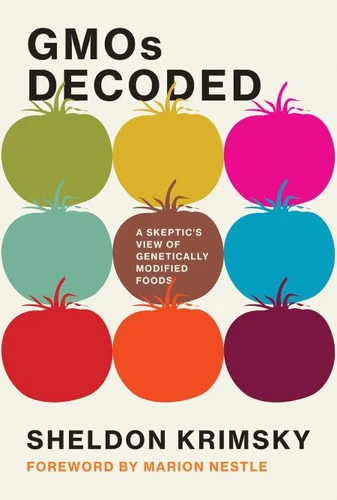
GMOs Decoded. A Skeptic's View of Genetically Modified Foods
Par : ,Formats :
Disponible dans votre compte client Decitre ou Furet du Nord dès validation de votre commande. Le format ePub protégé est :
- Compatible avec une lecture sur My Vivlio (smartphone, tablette, ordinateur)
- Compatible avec une lecture sur liseuses Vivlio
- Pour les liseuses autres que Vivlio, vous devez utiliser le logiciel Adobe Digital Edition. Non compatible avec la lecture sur les liseuses Kindle, Remarkable et Sony
- Non compatible avec un achat hors France métropolitaine
 , qui est-ce ?
Notre partenaire de plateforme de lecture numérique où vous retrouverez l'ensemble de vos ebooks gratuitement
Pour en savoir plus sur nos ebooks, consultez notre aide en ligne ici
C'est si simple ! Lisez votre ebook avec l'app Vivlio sur votre tablette, mobile ou ordinateur :

- Nombre de pages216
- FormatePub
- ISBN978-0-262-35075-4
- EAN9780262350754
- Date de parution12/03/2019
- Protection num.Adobe DRM
- Taille2 Mo
- Infos supplémentairesepub
- ÉditeurThe MIT Press
Résumé
The debate over genetically modified organisms: health and safety concerns, environmental impact, and scientific opinions. Since they were introduced to the market in the late 1990s, GMOs (genetically modified organisms, including genetically modified crops), have been subject to a barrage of criticism. Agriculture has welcomed this new technology, but public opposition has been loud and scientific opinion mixed.
In GMOs Decoded, Sheldon Krimsky examines the controversies over GMOs-health and safety concerns, environmental issues, the implications for world hunger, and the scientific consensus (or lack of one). He explores the viewpoints of a range of GMO skeptics, from public advocacy groups and nongovernmental organizations to scientists with differing views on risk and environmental impact. Krimsky explains the differences between traditional plant breeding and "molecular breeding" through genetic engineering (GE); describes early GMO products, including the infamous Flavr Savr tomato; and discusses herbicide-, disease-, and insect-resistant GE plants.
He considers the different American and European approaches to risk assessment, dueling scientific interpretations of plant genetics, and the controversy over labeling GMO products. He analyzes a key 2016 report from the National Academies of Sciences on GMO health effects and considers the controversy over biofortified rice (Golden Rice)-which some saw as a humanitarian project and others as an exercise in public relations.
Do GMO crops hold promise or peril? By offering an accessible review of the risks and benefits of GMO crops, and a guide to the controversies over them, Krimsky helps readers judge for themselves.
In GMOs Decoded, Sheldon Krimsky examines the controversies over GMOs-health and safety concerns, environmental issues, the implications for world hunger, and the scientific consensus (or lack of one). He explores the viewpoints of a range of GMO skeptics, from public advocacy groups and nongovernmental organizations to scientists with differing views on risk and environmental impact. Krimsky explains the differences between traditional plant breeding and "molecular breeding" through genetic engineering (GE); describes early GMO products, including the infamous Flavr Savr tomato; and discusses herbicide-, disease-, and insect-resistant GE plants.
He considers the different American and European approaches to risk assessment, dueling scientific interpretations of plant genetics, and the controversy over labeling GMO products. He analyzes a key 2016 report from the National Academies of Sciences on GMO health effects and considers the controversy over biofortified rice (Golden Rice)-which some saw as a humanitarian project and others as an exercise in public relations.
Do GMO crops hold promise or peril? By offering an accessible review of the risks and benefits of GMO crops, and a guide to the controversies over them, Krimsky helps readers judge for themselves.