SOLDES
Jusqu'à -70% sur une sélection d'articles*

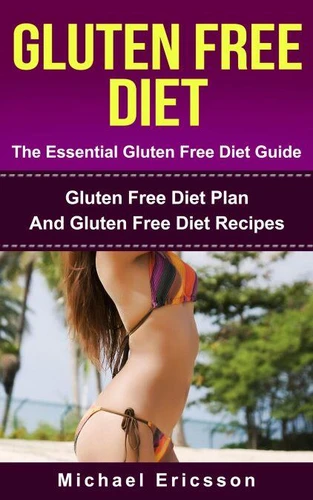
Gluten Free Diet - The Essential Gluten Free Diet Guide: Gluten Free Diet Plan And Gluten Free Diet Recipes
Par :Formats :
Disponible dans votre compte client Decitre ou Furet du Nord dès validation de votre commande. Le format ePub est :
- Compatible avec une lecture sur My Vivlio (smartphone, tablette, ordinateur)
- Compatible avec une lecture sur liseuses Vivlio
- Pour les liseuses autres que Vivlio, vous devez utiliser le logiciel Adobe Digital Edition. Non compatible avec la lecture sur les liseuses Kindle, Remarkable et Sony
 , qui est-ce ?
Notre partenaire de plateforme de lecture numérique où vous retrouverez l'ensemble de vos ebooks gratuitement
Pour en savoir plus sur nos ebooks, consultez notre aide en ligne ici
C'est si simple ! Lisez votre ebook avec l'app Vivlio sur votre tablette, mobile ou ordinateur :

- FormatePub
- ISBN978-1-5070-1241-3
- EAN9781507012413
- Date de parution04/02/2015
- Protection num.pas de protection
- Infos supplémentairesepub
- ÉditeurIncantatrix Press
Résumé
Gluten Free Diet - The Essential Gluten Free Diet Guide: Gluten Free Diet Plan. Read on your PC, Mac, smart phone, tabletThis book contains proven steps and strategies on how to start a gluten-free diet and feel lighter and healthier. The first chapter discusses why a gluten-free diet is good for you. It also tackles the benefits of keeping this kind of eating style in people with certain health conditions.
Chapter 2, on the other hand, provides a comprehensive list of allowed and disallowed foods while on a gluten-free diet. Various modifications you can do as well as essential tips and reminders are given. Finally, sample meal plans and detailed recipes are featured in the final chapter of this book. Here Is A Preview Of What You'll LearnGluten-free Diet: Who Can Benefit From It?Gluten-free Diet Food GuideYour Gluten-free Diet Meal Plans and RecipesMuch, much more!Gluten-free Diet: Who Can Benefit From It?Gluten-free diet is a kind of eating style that prohibits consumption of foods that contain what is referred to as gluten, a type of protein composite.
Gluten is most commonly present in food items such as grains, wheat, cereals, rye and barley. One of its primary purposes is to maintain the elasticity of foods as they undergo fermentation during food production. For instance, gluten contributes to the chewiness of the bread and reduces the stickiness or dough-like texture of other foods. However, for some people, consumption of anything that has gluten may lead to a variety of unpleasant and unhealthy physical reactions.
Probably, the worse of these is called coeliac disease. Gluten is a culprit behind the inflammation of the small intestines of individuals with coeliac disease. When the small intestines are inflamed, they become unable to absorb essential nutrients such as vitamins and fiber. In effect, health problems like iron-deficiency anemia, osteoporosis, infertility, extreme fatigue, neurological problems and other autoimmune diseases may take place.
Only in rare cases that symptoms of coeliac disease may be observed. When they do, they usually include bone pain, anemia and diarrhea. There are 3 million Americans suffering from coeliac disease but because its symptoms rarely occur, around 95% of these coeliac patients are unaware that they have the condition. Another illness that comes from the consumption of gluten is dermatitis herpetiformis.
It causes adverse effects on the skin such as inflammation, redness, and irritation. Also, chronic and itchy rashes on the skin are most likely to develop. Furthermore, eating and drinking food items with gluten causes trouble in persons suffering from gluten sensitivity.
Chapter 2, on the other hand, provides a comprehensive list of allowed and disallowed foods while on a gluten-free diet. Various modifications you can do as well as essential tips and reminders are given. Finally, sample meal plans and detailed recipes are featured in the final chapter of this book. Here Is A Preview Of What You'll LearnGluten-free Diet: Who Can Benefit From It?Gluten-free Diet Food GuideYour Gluten-free Diet Meal Plans and RecipesMuch, much more!Gluten-free Diet: Who Can Benefit From It?Gluten-free diet is a kind of eating style that prohibits consumption of foods that contain what is referred to as gluten, a type of protein composite.
Gluten is most commonly present in food items such as grains, wheat, cereals, rye and barley. One of its primary purposes is to maintain the elasticity of foods as they undergo fermentation during food production. For instance, gluten contributes to the chewiness of the bread and reduces the stickiness or dough-like texture of other foods. However, for some people, consumption of anything that has gluten may lead to a variety of unpleasant and unhealthy physical reactions.
Probably, the worse of these is called coeliac disease. Gluten is a culprit behind the inflammation of the small intestines of individuals with coeliac disease. When the small intestines are inflamed, they become unable to absorb essential nutrients such as vitamins and fiber. In effect, health problems like iron-deficiency anemia, osteoporosis, infertility, extreme fatigue, neurological problems and other autoimmune diseases may take place.
Only in rare cases that symptoms of coeliac disease may be observed. When they do, they usually include bone pain, anemia and diarrhea. There are 3 million Americans suffering from coeliac disease but because its symptoms rarely occur, around 95% of these coeliac patients are unaware that they have the condition. Another illness that comes from the consumption of gluten is dermatitis herpetiformis.
It causes adverse effects on the skin such as inflammation, redness, and irritation. Also, chronic and itchy rashes on the skin are most likely to develop. Furthermore, eating and drinking food items with gluten causes trouble in persons suffering from gluten sensitivity.