SOLDES
Jusqu'à -70% sur une sélection d'articles*

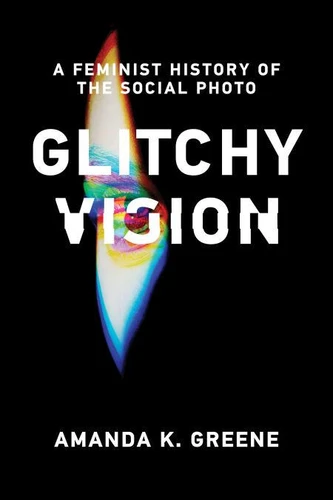
Glitchy Vision. A Feminist History of the Social Photo
Par :Formats :
Disponible dans votre compte client Decitre ou Furet du Nord dès validation de votre commande. Le format ePub protégé est :
- Compatible avec une lecture sur My Vivlio (smartphone, tablette, ordinateur)
- Compatible avec une lecture sur liseuses Vivlio
- Pour les liseuses autres que Vivlio, vous devez utiliser le logiciel Adobe Digital Edition. Non compatible avec la lecture sur les liseuses Kindle, Remarkable et Sony
- Non compatible avec un achat hors France métropolitaine
 , qui est-ce ?
Notre partenaire de plateforme de lecture numérique où vous retrouverez l'ensemble de vos ebooks gratuitement
Pour en savoir plus sur nos ebooks, consultez notre aide en ligne ici
C'est si simple ! Lisez votre ebook avec l'app Vivlio sur votre tablette, mobile ou ordinateur :

- Nombre de pages222
- FormatePub
- ISBN978-0-262-38124-6
- EAN9780262381246
- Date de parution19/11/2024
- Protection num.Adobe DRM
- Taille45 Mo
- Infos supplémentairesepub
- ÉditeurThe MIT Press
Résumé
A novel exploration of popular photographic media cultures in 1930s Europe through a feminist lens-and how visual social media changes what it means to be human both then and now. Glitchy Vision takes a feminist approach to media history to examine how photographic social media cultures change human bodies and the experience of being human. To illuminate these glitches, Greene focuses on the inevitable distortions that arise from looking at the past through the lens of the present.
Treating these distortions as tools as opposed to obstacles, Greene uncovers new ways of viewing social media cultures of the past, while also revealing parallels between historical contexts and our contemporary digital media environment. Greene uses three "born-digital keywords"-real time, algorithmic filters, and sousveillance-to examine photographic media environments in and around 1930s Europe.
Each chapter of the book places one of the keywords in dialogue with an unconventional archive of popular "feminized" cultural artifacts and technological innovations from this historical moment that have been overlooked as critical resources for media studies: Evelyn Waugh's bestselling novel Vile Bodies (1930) and photographic reproductions for the tabloid press; Lee Miller's war photography for British Vogue and glamourous photo-retouching techniques; and the Mass-Observation Movement's surrealist anthropology.
Glitchy Vision provides new strategies for reading history that show how small shifts in the circuits that connect bodies and media affect what it means to be human both in the past and today.
Treating these distortions as tools as opposed to obstacles, Greene uncovers new ways of viewing social media cultures of the past, while also revealing parallels between historical contexts and our contemporary digital media environment. Greene uses three "born-digital keywords"-real time, algorithmic filters, and sousveillance-to examine photographic media environments in and around 1930s Europe.
Each chapter of the book places one of the keywords in dialogue with an unconventional archive of popular "feminized" cultural artifacts and technological innovations from this historical moment that have been overlooked as critical resources for media studies: Evelyn Waugh's bestselling novel Vile Bodies (1930) and photographic reproductions for the tabloid press; Lee Miller's war photography for British Vogue and glamourous photo-retouching techniques; and the Mass-Observation Movement's surrealist anthropology.
Glitchy Vision provides new strategies for reading history that show how small shifts in the circuits that connect bodies and media affect what it means to be human both in the past and today.