
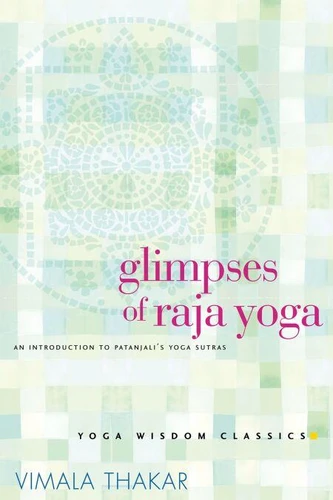
Glimpses of Raja Yoga. An Introduction to Patanjali's Yoga Sutras
Par :Formats :
Disponible dans votre compte client Decitre ou Furet du Nord dès validation de votre commande. Le format ePub protégé est :
- Compatible avec une lecture sur My Vivlio (smartphone, tablette, ordinateur)
- Compatible avec une lecture sur liseuses Vivlio
- Pour les liseuses autres que Vivlio, vous devez utiliser le logiciel Adobe Digital Edition. Non compatible avec la lecture sur les liseuses Kindle, Remarkable et Sony
- Non compatible avec un achat hors France métropolitaine
 , qui est-ce ?
Notre partenaire de plateforme de lecture numérique où vous retrouverez l'ensemble de vos ebooks gratuitement
Pour en savoir plus sur nos ebooks, consultez notre aide en ligne ici
C'est si simple ! Lisez votre ebook avec l'app Vivlio sur votre tablette, mobile ou ordinateur :

- Nombre de pages128
- FormatePub
- ISBN978-1-930485-71-6
- EAN9781930485716
- Date de parution01/08/2016
- Protection num.Adobe DRM
- Taille741 Ko
- Infos supplémentairesepub
- ÉditeurShambhala
Résumé
In Glimpses of Raja Yoga, Vimala Thakar introduces the basic concepts of Patanjali's Yoga Sutras by focusing on a different sutra, or aphorism, in each of the twelve chapters. In her opening chapter, she presents the historical and cultural background of Patanjali's Raja Yoga. Chapter 2 contains an eloquent invocation of the dimension of Silence-the meditative state that one enters with the stilling of the mind.
Chapters 3-6 examine the ethical principles and observances (the yamas and niyamas) that form the foundation of a healthy spiritual practice. Here Vimala discusses the importance of ahimsa (non-violence) and satya (truthfulness), and offers a radical interpretation of brahmacarya based on her understanding of Sanskrit. Chapter 7 concerns the kleshas or causes of suffering such as avidya (ignorance) and asmita (egotism).
Chapter 8 discriminates between dharana (meditation with deliberate focus) and dhyana (effortless meditation), and reflects Vimala's own experience. Chapter 9 describes the relation of prakriti (matter) and purusha (spirit) according to Patanjali. Chapters 10-12 describe the ultimate goal of the yogic journey-the absolute freedom of samadhi.
Chapters 3-6 examine the ethical principles and observances (the yamas and niyamas) that form the foundation of a healthy spiritual practice. Here Vimala discusses the importance of ahimsa (non-violence) and satya (truthfulness), and offers a radical interpretation of brahmacarya based on her understanding of Sanskrit. Chapter 7 concerns the kleshas or causes of suffering such as avidya (ignorance) and asmita (egotism).
Chapter 8 discriminates between dharana (meditation with deliberate focus) and dhyana (effortless meditation), and reflects Vimala's own experience. Chapter 9 describes the relation of prakriti (matter) and purusha (spirit) according to Patanjali. Chapters 10-12 describe the ultimate goal of the yogic journey-the absolute freedom of samadhi.