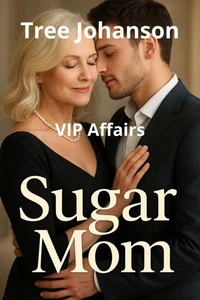
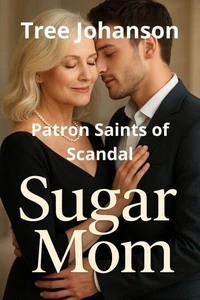
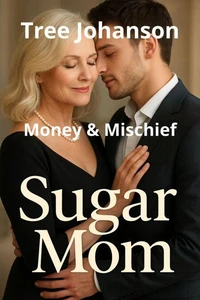
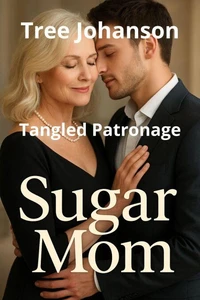
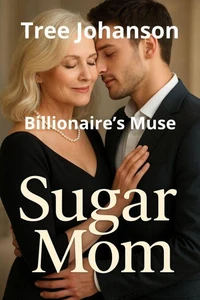
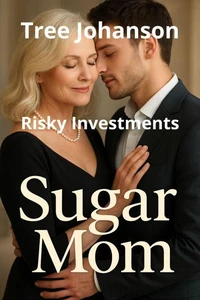
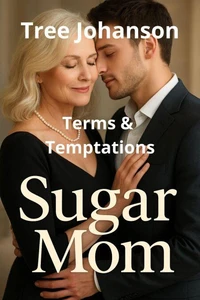
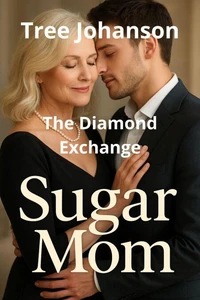
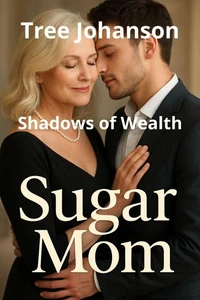
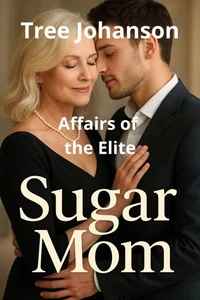
Gilded Rebellion follows Wilma Ashcroft, a wealthy and influential foundation leader in her late 50s, and Isaac Moreno, a talented but struggling artist in his late 20s whose work is rooted in raw social expression and emotional truth. Their lives collide when Wilma sponsors Isaac's residency after a public controversy threatens his career. What begins as professional tension gradually transforms into intellectual admiration, emotional intimacy, and ultimately a forbidden romance shaped by power imbalance, public scrutiny, and generational difference.
As their bond deepens, both characters are forced to confront their fears-Wilma's fear of scandal damaging her philanthropic legacy, and Isaac's fear of being reduced to dependency or perceived manipulation. When their relationship becomes public, media backlash and institutional pressure push them apart, forcing Isaac to walk away to protect Wilma's reputation. However, separation only intensifies their emotional connection.
Through personal growth, artistic evolution, and introspection, Isaac creates his most acclaimed exhibition-one that reflects vulnerability rather than rebellion. Wilma, meanwhile, begins to question a lifetime of self-sacrifice and public expectation, realizing that true freedom requires authenticity rather than approval. Ultimately, Isaac publicly acknowledges the profound emotional influence Wilma had on his artistic transformation, and Wilma chooses to step into visibility rather than shame.
Reunited, they redefine their relationship on their own terms. In the epilogue, they establish a public arts initiative that transforms neglected communities through creativity and collaboration. Their love story evolves from scandal to inspiration, proving that connection, when chosen freely, can become a force for cultural and personal change.
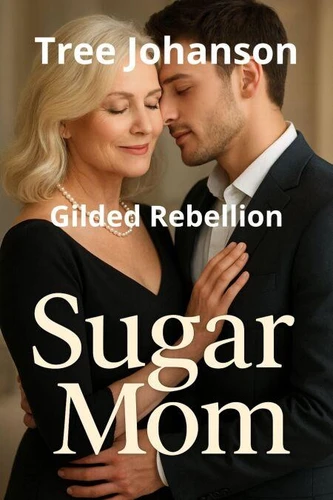
Gilded Rebellion follows Wilma Ashcroft, a wealthy and influential foundation leader in her late 50s, and Isaac Moreno, a talented but struggling artist in his late 20s whose work is rooted in raw social expression and emotional truth. Their lives collide when Wilma sponsors Isaac's residency after a public controversy threatens his career. What begins as professional tension gradually transforms into intellectual admiration, emotional intimacy, and ultimately a forbidden romance shaped by power imbalance, public scrutiny, and generational difference.
As their bond deepens, both characters are forced to confront their fears-Wilma's fear of scandal damaging her philanthropic legacy, and Isaac's fear of being reduced to dependency or perceived manipulation. When their relationship becomes public, media backlash and institutional pressure push them apart, forcing Isaac to walk away to protect Wilma's reputation. However, separation only intensifies their emotional connection.
Through personal growth, artistic evolution, and introspection, Isaac creates his most acclaimed exhibition-one that reflects vulnerability rather than rebellion. Wilma, meanwhile, begins to question a lifetime of self-sacrifice and public expectation, realizing that true freedom requires authenticity rather than approval. Ultimately, Isaac publicly acknowledges the profound emotional influence Wilma had on his artistic transformation, and Wilma chooses to step into visibility rather than shame.
Reunited, they redefine their relationship on their own terms. In the epilogue, they establish a public arts initiative that transforms neglected communities through creativity and collaboration. Their love story evolves from scandal to inspiration, proving that connection, when chosen freely, can become a force for cultural and personal change.

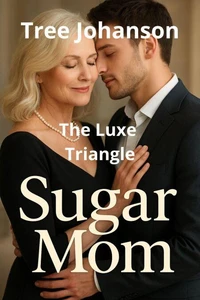
 , qui est-ce ?