SOLDES
Jusqu'à -70% sur une sélection d'articles*
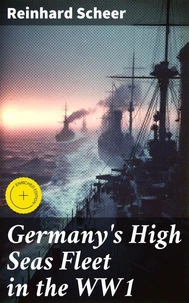
Germany's High Seas Fleet in the World War. Historical Account of Naval Warfare in the WWI
Par :Formats :
Disponible dans votre compte client Decitre ou Furet du Nord dès validation de votre commande. Le format ePub est :
- Compatible avec une lecture sur My Vivlio (smartphone, tablette, ordinateur)
- Compatible avec une lecture sur liseuses Vivlio
- Pour les liseuses autres que Vivlio, vous devez utiliser le logiciel Adobe Digital Edition. Non compatible avec la lecture sur les liseuses Kindle, Remarkable et Sony
 , qui est-ce ?
Notre partenaire de plateforme de lecture numérique où vous retrouverez l'ensemble de vos ebooks gratuitement
Pour en savoir plus sur nos ebooks, consultez notre aide en ligne ici
C'est si simple ! Lisez votre ebook avec l'app Vivlio sur votre tablette, mobile ou ordinateur :

- Nombre de pages321
- FormatePub
- ISBN859-65--4773455-0
- EAN8596547734550
- Date de parution27/11/2023
- Protection num.Digital Watermarking
- Taille2 Mo
- Infos supplémentairesepub
- ÉditeurDIGICAT
Résumé
In "Germany's High Seas Fleet in the World War, " Reinhard Scheer presents a meticulously detailed account of the naval strategies and operations of the Imperial German Navy during the First World War. Scheer employs a commanding literary style, combining personal narrative with technical analysis, effectively situating his work within the broader historical and military context of early 20th-century warfare.
The book examines pivotal naval battles, strategic doctrines, and the fleet's eventual decline, offering insights into the realities of maritime warfare, the challenges faced, and the complex interplay of technology and tactics. Reinhard Scheer, who served as the commander of the High Seas Fleet, brings a first-hand perspective enriched by his extensive naval career. His experience at the helm of Germany's primary naval force during this tumultuous period endowed him with unique insights, making him not just an observer but also a key player in the events he narrates.
Scheer's intimate understanding of maritime conflict and his commitment to presenting a thorough account of the German naval experience underscore the significance of his work. This book is essential for both scholars and enthusiasts of military history. It offers an unparalleled glimpse into the operational mindset of one of the war's key naval figures, providing readers with a comprehensive understanding of the strategic and tactical dimensions of Germany's naval engagements.
Scheer's narrative is not only informative but also serves as a testament to the complexities of leadership in wartime, making it a must-read for anyone interested in naval warfare or World War I.
The book examines pivotal naval battles, strategic doctrines, and the fleet's eventual decline, offering insights into the realities of maritime warfare, the challenges faced, and the complex interplay of technology and tactics. Reinhard Scheer, who served as the commander of the High Seas Fleet, brings a first-hand perspective enriched by his extensive naval career. His experience at the helm of Germany's primary naval force during this tumultuous period endowed him with unique insights, making him not just an observer but also a key player in the events he narrates.
Scheer's intimate understanding of maritime conflict and his commitment to presenting a thorough account of the German naval experience underscore the significance of his work. This book is essential for both scholars and enthusiasts of military history. It offers an unparalleled glimpse into the operational mindset of one of the war's key naval figures, providing readers with a comprehensive understanding of the strategic and tactical dimensions of Germany's naval engagements.
Scheer's narrative is not only informative but also serves as a testament to the complexities of leadership in wartime, making it a must-read for anyone interested in naval warfare or World War I.