Finnian Ash is an English-language author celebrated for reflective nonfiction and literary storytelling that weaves together history, philosophy, and human ambition. His writing carries a thoughtful and cinematic tone, often exploring resilience, transformation, and the quiet forces that shape personal and societal change.
Nouveauté
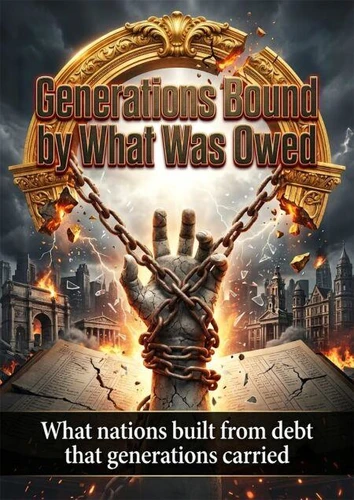
Generations Bound by What Was Owed. What nations built from debt that generations carried
Par :Formats :
Disponible dans votre compte client Decitre ou Furet du Nord dès validation de votre commande. Le format ePub est :
- Compatible avec une lecture sur My Vivlio (smartphone, tablette, ordinateur)
- Compatible avec une lecture sur liseuses Vivlio
- Pour les liseuses autres que Vivlio, vous devez utiliser le logiciel Adobe Digital Edition. Non compatible avec la lecture sur les liseuses Kindle, Remarkable et Sony
 , qui est-ce ?
Notre partenaire de plateforme de lecture numérique où vous retrouverez l'ensemble de vos ebooks gratuitement
Pour en savoir plus sur nos ebooks, consultez notre aide en ligne ici
C'est si simple ! Lisez votre ebook avec l'app Vivlio sur votre tablette, mobile ou ordinateur :

- Nombre de pages218
- FormatePub
- ISBN978-3-565-59419-1
- EAN9783565594191
- Date de parution27/07/2026
- Protection num.pas de protection
- Taille1 Mo
- Infos supplémentairesepub
- ÉditeurEmphaloz Publishing House
Résumé
Debt began as a matter between neighbors, governed by shame and reciprocity. Then it became a matter between subjects and sovereigns, codified in law. Now it is a matter between individuals and systems so vast that no single person can see the whole. This book examines the philosophical journey of debt across Western civilization: from the biblical condemnation of usury to the Scholastic debates over just price, from the Enlightenment's embrace of credit as social trust to the nineteenth-century elevation of debt repayment as the highest civic virtue.
Each transformation carried consequences. The Reformation's attack on usury gave way to Calvinist acceptance of interest, which opened the door for banking dynasties. The French Revolution canceled aristocratic debts but invented national debt as a patriotic bond. Colonial powers used debt to extract labor from entire continents. The book does not celebrate or condemn but traces how societies redefined what debt meant-from sin to contract to obligation to opportunity.
By the twentieth century, debt had become the invisible architecture of daily life: mortgages, student loans, credit cards, national deficits. The moral weight shifted from the lender who charged interest to the borrower who failed to pay. This inversion, the book argues, is the defining ethical move of modern capitalism.
Each transformation carried consequences. The Reformation's attack on usury gave way to Calvinist acceptance of interest, which opened the door for banking dynasties. The French Revolution canceled aristocratic debts but invented national debt as a patriotic bond. Colonial powers used debt to extract labor from entire continents. The book does not celebrate or condemn but traces how societies redefined what debt meant-from sin to contract to obligation to opportunity.
By the twentieth century, debt had become the invisible architecture of daily life: mortgages, student loans, credit cards, national deficits. The moral weight shifted from the lender who charged interest to the borrower who failed to pay. This inversion, the book argues, is the defining ethical move of modern capitalism.