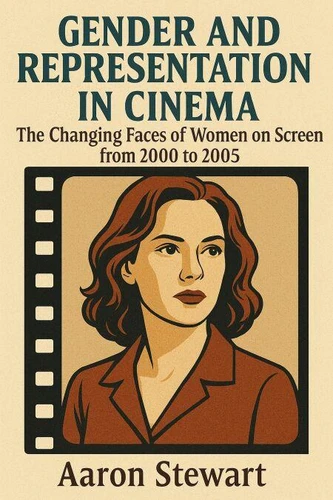
This book explores the evolving representation of women in cinema during the early 21st century, focusing specifically on the period from 2000 to 2005. By analyzing key films, genres, and industry trends, Aaron Stewart delves into how the portrayal of women on screen shifted from traditional, passive roles to more empowered, complex characters. This period saw a significant transformation in the portrayal of female protagonists, from action heroines to intricate psychological thrillers, and from family dramas to biographical depictions of historical women.
Stewart examines the impact of these changes on the broader cultural understanding of gender, identity, and power, tracing how female characters became more central to cinematic narratives and how their roles were redefined across various genres, including action, horror, biographical films, and more. Through in-depth analysis of iconic films and figures, such as Charlie's Angels, Kill Bill, Frida, The Iron Lady, and Gone Girl, the book critiques both the empowering and limiting aspects of female representation during this transformative era.
With a sharp focus on the intersection of gender and other social factors like race, class, and sexuality, this book highlights the nuanced portrayal of women in an evolving cinematic landscape. Stewart presents a comprehensive study that not only examines the changing roles of women on screen but also investigates the ways in which these cinematic portrayals influenced and were influenced by societal shifts in the early 2000s, setting the stage for future portrayals of women in film.
This book explores the evolving representation of women in cinema during the early 21st century, focusing specifically on the period from 2000 to 2005. By analyzing key films, genres, and industry trends, Aaron Stewart delves into how the portrayal of women on screen shifted from traditional, passive roles to more empowered, complex characters. This period saw a significant transformation in the portrayal of female protagonists, from action heroines to intricate psychological thrillers, and from family dramas to biographical depictions of historical women.
Stewart examines the impact of these changes on the broader cultural understanding of gender, identity, and power, tracing how female characters became more central to cinematic narratives and how their roles were redefined across various genres, including action, horror, biographical films, and more. Through in-depth analysis of iconic films and figures, such as Charlie's Angels, Kill Bill, Frida, The Iron Lady, and Gone Girl, the book critiques both the empowering and limiting aspects of female representation during this transformative era.
With a sharp focus on the intersection of gender and other social factors like race, class, and sexuality, this book highlights the nuanced portrayal of women in an evolving cinematic landscape. Stewart presents a comprehensive study that not only examines the changing roles of women on screen but also investigates the ways in which these cinematic portrayals influenced and were influenced by societal shifts in the early 2000s, setting the stage for future portrayals of women in film.


 , qui est-ce ?



