SOLDES
Jusqu'à -70% sur une sélection d'articles*

Nouveauté
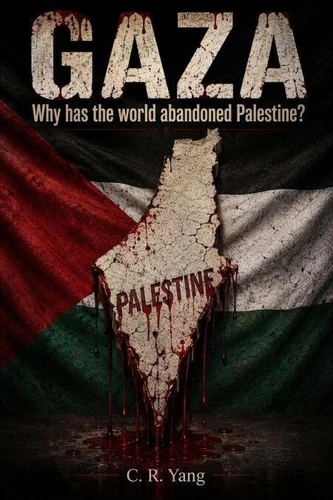
Gaza: Why did the world abandon Palestine?
Par :Formats :
Disponible dans votre compte client Decitre ou Furet du Nord dès validation de votre commande. Le format ePub est :
- Compatible avec une lecture sur My Vivlio (smartphone, tablette, ordinateur)
- Compatible avec une lecture sur liseuses Vivlio
- Pour les liseuses autres que Vivlio, vous devez utiliser le logiciel Adobe Digital Edition. Non compatible avec la lecture sur les liseuses Kindle, Remarkable et Sony
 , qui est-ce ?
Notre partenaire de plateforme de lecture numérique où vous retrouverez l'ensemble de vos ebooks gratuitement
Pour en savoir plus sur nos ebooks, consultez notre aide en ligne ici
C'est si simple ! Lisez votre ebook avec l'app Vivlio sur votre tablette, mobile ou ordinateur :

- FormatePub
- ISBN8235884786
- EAN9798235884786
- Date de parution22/06/2026
- Protection num.pas de protection
- Infos supplémentairesepub
- ÉditeurIoakim Ioakim
Résumé
Gaza: The Anatomy of Modern Conflict is a provocative and uncompromising examination of one of the most complex and controversial geopolitical crises of the 21st century. Drawing on historical analysis, political theory, and cultural critique, the book explores the structural dynamics of territorial conflict, media narratives, and global power systems. The work investigates themes such as occupation, warfare, propaganda, psychological influence, and the role of international institutions in shaping public perception.
It also examines how collective memory, historical trauma, and ideological frameworks are mobilized within modern conflicts. Combining elements of sociology, political science, and critical analysis, the book challenges readers to question dominant narratives, analyze the mechanisms of influence behind global discourse, and reflect on the ethical dimensions of power, sovereignty, and human rights.
Intended for readers interested in geopolitics, international relations, media studies, and social criticism, this book offers a dense and thought-provoking perspective on conflict, narrative construction, and the struggle for legitimacy in the modern world.
It also examines how collective memory, historical trauma, and ideological frameworks are mobilized within modern conflicts. Combining elements of sociology, political science, and critical analysis, the book challenges readers to question dominant narratives, analyze the mechanisms of influence behind global discourse, and reflect on the ethical dimensions of power, sovereignty, and human rights.
Intended for readers interested in geopolitics, international relations, media studies, and social criticism, this book offers a dense and thought-provoking perspective on conflict, narrative construction, and the struggle for legitimacy in the modern world.
A propos de Helton H. A.

The Desert of the Real
E-book
3,49 €

O Deserto do Real
E-book
3,49 €