Nouveauté
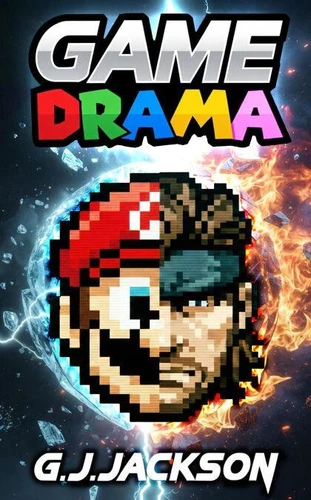
Game Drama. G. J. Jackson
Par :Formats :
Disponible dans votre compte client Decitre ou Furet du Nord dès validation de votre commande. Le format ePub est :
- Compatible avec une lecture sur My Vivlio (smartphone, tablette, ordinateur)
- Compatible avec une lecture sur liseuses Vivlio
- Pour les liseuses autres que Vivlio, vous devez utiliser le logiciel Adobe Digital Edition. Non compatible avec la lecture sur les liseuses Kindle, Remarkable et Sony
 , qui est-ce ?
Notre partenaire de plateforme de lecture numérique où vous retrouverez l'ensemble de vos ebooks gratuitement
Pour en savoir plus sur nos ebooks, consultez notre aide en ligne ici
C'est si simple ! Lisez votre ebook avec l'app Vivlio sur votre tablette, mobile ou ordinateur :

- FormatePub
- ISBN8235648579
- EAN9798235648579
- Date de parution16/07/2026
- Protection num.pas de protection
- Infos supplémentairesepub
- ÉditeurIoakim Ioakim
Résumé
Game Drama, by G. J. Jackson, moves through twenty one chapters that treat hardware, landmark titles, and the people behind them as one continuous story rather than separate trivia. The book opens with the corporate rivalry that birthed the original PlayStation, then traces how a canceled Nintendo partnership pushed Sony into building the console that would reshape the industry, before turning to the Super Nintendo era and the engineering choices that made depth and atmosphere feel normal for the first time.
Individual chapters dig into the making of Final Fantasy VII, the melodic instincts of composer Nobuo Uematsu, the collaboration behind Super Mario RPG, and the design philosophy that turned Metal Gear Solid into a cinematic thriller disguised as a stealth game. G. J. Jackson profiles creators like Hideo Kojima and voice actor David Hayter alongside the games themselves, showing how technical limitations, business decisions, and personal obsessions combined to produce moments that redefined what players expected from the medium.
Later chapters cover Resident Evil 4, Grand Turismo, Castlevania, Silent Hill, and other titles that shaped horror, action, and racing genres, closing with a bonus look at Duke Nukem's awkward but revealing leap into third person console gaming. Written with genuine affection but a clear eye for what worked and what did not, the book gives longtime fans new context and gives newcomers a map into why these games still matter.
Individual chapters dig into the making of Final Fantasy VII, the melodic instincts of composer Nobuo Uematsu, the collaboration behind Super Mario RPG, and the design philosophy that turned Metal Gear Solid into a cinematic thriller disguised as a stealth game. G. J. Jackson profiles creators like Hideo Kojima and voice actor David Hayter alongside the games themselves, showing how technical limitations, business decisions, and personal obsessions combined to produce moments that redefined what players expected from the medium.
Later chapters cover Resident Evil 4, Grand Turismo, Castlevania, Silent Hill, and other titles that shaped horror, action, and racing genres, closing with a bonus look at Duke Nukem's awkward but revealing leap into third person console gaming. Written with genuine affection but a clear eye for what worked and what did not, the book gives longtime fans new context and gives newcomers a map into why these games still matter.
A propos de G. J. Jackson

8,99 €

8,99 €

8,99 €

8,99 €

8,99 €

8,99 €

8,99 €

8,99 €

8,99 €

8,99 €

8,99 €

8,99 €

8,99 €

8,99 €

8,99 €

8,99 €