
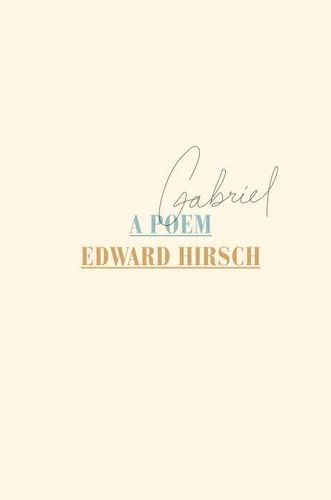
Gabriel. A Poem
Par :Formats :
Disponible dans votre compte client Decitre ou Furet du Nord dès validation de votre commande. Le format ePub protégé est :
- Compatible avec une lecture sur My Vivlio (smartphone, tablette, ordinateur)
- Compatible avec une lecture sur liseuses Vivlio
- Pour les liseuses autres que Vivlio, vous devez utiliser le logiciel Adobe Digital Edition. Non compatible avec la lecture sur les liseuses Kindle, Remarkable et Sony
- Non compatible avec un achat hors France métropolitaine
 , qui est-ce ?
Notre partenaire de plateforme de lecture numérique où vous retrouverez l'ensemble de vos ebooks gratuitement
Pour en savoir plus sur nos ebooks, consultez notre aide en ligne ici
C'est si simple ! Lisez votre ebook avec l'app Vivlio sur votre tablette, mobile ou ordinateur :

- Nombre de pages96
- FormatePub
- ISBN978-0-385-35358-8
- EAN9780385353588
- Date de parution02/09/2014
- Protection num.Adobe DRM
- Taille2 Mo
- Infos supplémentairesepub
- ÉditeurKnopf
Résumé
Longlisted for the 2014 National Book Award Never has there been a book of poems quite like Gabriel, in which a short life, a bewildering death, and the unanswerable sorrow of a father come together in such a sustained elegy. This unabashed sequence speaks directly from Hirsch's heart to our own, without sentimentality. From its opening lines-"The funeral director opened the coffin / And there he was alone / From the waist up"-Hirsch's account is poignantly direct and open to the strange vicissitudes and tricks of grief.
In propulsive three-line stanzas, he tells the story of how a once unstoppable child, who suffered from various developmental disorders, turned into an irreverent young adult, funny, rebellious, impulsive. Hirsch mixes his tale of Gabriel with the stories of other poets through the centuries who have also lost children, and expresses his feelings through theirs. His landmark poem enters the broad stream of human grief and raises in us the strange hope, even consolation, that we find in the writer's act of witnessing and transformation.
It will be read and reread.
In propulsive three-line stanzas, he tells the story of how a once unstoppable child, who suffered from various developmental disorders, turned into an irreverent young adult, funny, rebellious, impulsive. Hirsch mixes his tale of Gabriel with the stories of other poets through the centuries who have also lost children, and expresses his feelings through theirs. His landmark poem enters the broad stream of human grief and raises in us the strange hope, even consolation, that we find in the writer's act of witnessing and transformation.
It will be read and reread.
A propos de Edward Hirsch
25,51 €
Stranger by Night. Poems
E-book
5,72 €
9,99 €
A Poet's Glossary
E-book
15,99 €
Wild Gratitude
E-book
5,72 €
Earthly Measures. Poems
E-book
16,05 €
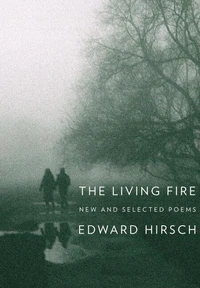
The Living Fire
E-book
5,72 €
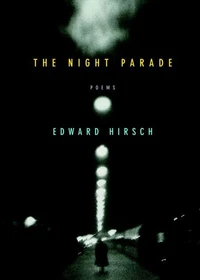
The Night Parade. Poems
E-book
5,72 €
14,91 €

Special Orders. Poems
E-book
14,91 €
8,02 €
On Love. Poems
E-book
10,31 €