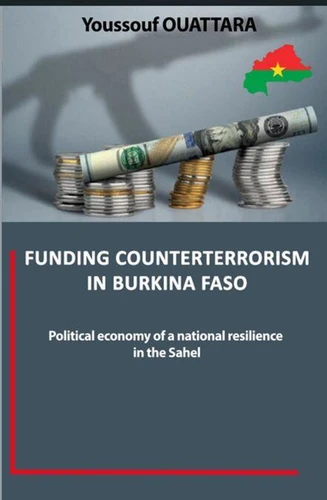
How does a low-income country finance a national war against terrorism with little external help? This book answers that question through the case of Burkina Faso, a nation that rebuilt its security strategy not on foreign aid, but on sovereign economic choices. When international partners declined to support Burkina Faso's volunteer defense forces, the country turned inward. It restructured its mining sector, cancelled outdated tax treaties, disrupted gold-smuggling networks, and created new ways for citizens to contribute directly to nationalThe book reveals how ordinary citizens played a central role through national solidarity initiatives, and how even terrorist groups unwittingly contributed through indirect taxes on telecommunications, digital data, and consumer goods.
Beyond the Burkinabè case, this work offers a powerful reflection on sovereign financing, the political economy of war, and the ability of African states to mobilize internal resources when external support fails. It demonstrates how a government under extreme pressure can re-engineer its fiscal and economic systems to reclaim control over its destiny.
How does a low-income country finance a national war against terrorism with little external help? This book answers that question through the case of Burkina Faso, a nation that rebuilt its security strategy not on foreign aid, but on sovereign economic choices. When international partners declined to support Burkina Faso's volunteer defense forces, the country turned inward. It restructured its mining sector, cancelled outdated tax treaties, disrupted gold-smuggling networks, and created new ways for citizens to contribute directly to nationalThe book reveals how ordinary citizens played a central role through national solidarity initiatives, and how even terrorist groups unwittingly contributed through indirect taxes on telecommunications, digital data, and consumer goods.
Beyond the Burkinabè case, this work offers a powerful reflection on sovereign financing, the political economy of war, and the ability of African states to mobilize internal resources when external support fails. It demonstrates how a government under extreme pressure can re-engineer its fiscal and economic systems to reclaim control over its destiny.

 , qui est-ce ?
