SOLDES
Jusqu'à -70% sur une sélection d'articles*

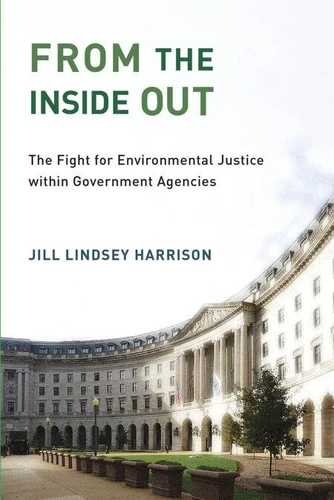
From the Inside Out. The Fight for Environmental Justice within Government Agencies
Par :Formats :
Disponible dans votre compte client Decitre ou Furet du Nord dès validation de votre commande. Le format ePub protégé est :
- Compatible avec une lecture sur My Vivlio (smartphone, tablette, ordinateur)
- Compatible avec une lecture sur liseuses Vivlio
- Pour les liseuses autres que Vivlio, vous devez utiliser le logiciel Adobe Digital Edition. Non compatible avec la lecture sur les liseuses Kindle, Remarkable et Sony
- Non compatible avec un achat hors France métropolitaine
 , qui est-ce ?
Notre partenaire de plateforme de lecture numérique où vous retrouverez l'ensemble de vos ebooks gratuitement
Pour en savoir plus sur nos ebooks, consultez notre aide en ligne ici
C'est si simple ! Lisez votre ebook avec l'app Vivlio sur votre tablette, mobile ou ordinateur :

- Nombre de pages328
- FormatePub
- ISBN978-0-262-35542-1
- EAN9780262355421
- Date de parution29/10/2019
- Protection num.Adobe DRM
- Taille546 Ko
- Infos supplémentairesepub
- ÉditeurThe MIT Press
Résumé
An examination of why government agencies allow environmental injustices to persist. Many state and federal environmental agencies have put in place programs, policies, and practices to redress environmental injustices, and yet these efforts fall short of meeting the principles that environmental justice activists have fought for. In From the Inside Out, Jill Lindsey Harrison offers an account of the bureaucratic culture that hinders regulatory agencies' attempts to reduce environmental injustices.
It is now widely accepted that America's poorest communities, communities of color, and Native American communities suffer disproportionate harm from environmental hazards, with higher exposure to pollution and higher incidence of lead poisoning, cancer, asthma, and other diseases linked to environmental ills. And yet, Harrison reports, some regulatory staff view these problems as beyond their agencies' area of concern, requiring too many resources, or see neutrality as demanding "color-blind" administration.
Drawing on more than 160 interviews (with interviewees including 89 current or former agency staff members and more than 50 environmental justice activists and others who interact with regulatory agencies) and more than 50 hours of participant observation of agency meetings (both open- and closed-door), Harrison offers a unique account of how bureaucrats resist, undermine, and disparage environmental justice reform-and how environmental justice reformers within the agencies fight back by trying to change regulatory practice and culture from the inside out.
Harrison argues that equity, not just aggregated overall improvement, should be a metric for evaluating environmental regulation.
It is now widely accepted that America's poorest communities, communities of color, and Native American communities suffer disproportionate harm from environmental hazards, with higher exposure to pollution and higher incidence of lead poisoning, cancer, asthma, and other diseases linked to environmental ills. And yet, Harrison reports, some regulatory staff view these problems as beyond their agencies' area of concern, requiring too many resources, or see neutrality as demanding "color-blind" administration.
Drawing on more than 160 interviews (with interviewees including 89 current or former agency staff members and more than 50 environmental justice activists and others who interact with regulatory agencies) and more than 50 hours of participant observation of agency meetings (both open- and closed-door), Harrison offers a unique account of how bureaucrats resist, undermine, and disparage environmental justice reform-and how environmental justice reformers within the agencies fight back by trying to change regulatory practice and culture from the inside out.
Harrison argues that equity, not just aggregated overall improvement, should be a metric for evaluating environmental regulation.