SOLDES
Jusqu'à -70% sur une sélection d'articles*

Nouveauté
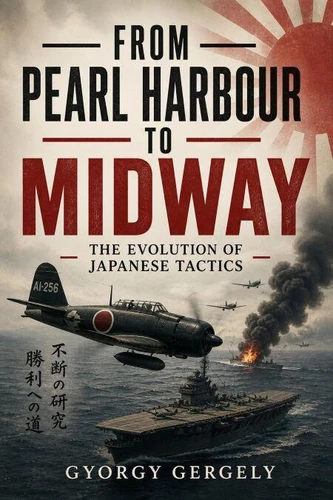
From Pearl Harbour to Midway: The Evolution of Japanese Tactics
Par :Formats :
Disponible dans votre compte client Decitre ou Furet du Nord dès validation de votre commande. Le format ePub est :
- Compatible avec une lecture sur My Vivlio (smartphone, tablette, ordinateur)
- Compatible avec une lecture sur liseuses Vivlio
- Pour les liseuses autres que Vivlio, vous devez utiliser le logiciel Adobe Digital Edition. Non compatible avec la lecture sur les liseuses Kindle, Remarkable et Sony
 , qui est-ce ?
Notre partenaire de plateforme de lecture numérique où vous retrouverez l'ensemble de vos ebooks gratuitement
Pour en savoir plus sur nos ebooks, consultez notre aide en ligne ici
C'est si simple ! Lisez votre ebook avec l'app Vivlio sur votre tablette, mobile ou ordinateur :

- FormatePub
- ISBN8233105784
- EAN9798233105784
- Date de parution30/06/2026
- Protection num.pas de protection
- Infos supplémentairesepub
- ÉditeurLinda Balsamo
Résumé
From Pearl Harbour to Midway: The Evolution of Japanese Tactics From the shock of Attack on Pearl Harbour to the turning point of Battle of Midway, this compelling study explores how Japanese military strategy evolved during the critical early phase of World War II in the Pacific. Blending historical analysis with vivid narrative, From Pearl Harbour to Midway examines the bold planning, calculated risks, and tactical innovations that initially gave Japan a decisive edge.
Readers are taken inside the minds of commanders, the coordination of naval air power, and the rapid expansion that followed Pearl Harbour-revealing both the strengths and vulnerabilities of Japan's approach to modern warfare. As the story unfolds, the book traces how early success led to strategic overconfidence, logistical strain, and ultimately critical miscalculations at Midway. Through detailed accounts of carrier battles, intelligence breakthroughs, and shifting battlefield dynamics, it shows how Japanese tactics-once revolutionary-began to falter against an adaptive and determined opponent.
Insightful and engaging, this book offers a deeper understanding of how strategy, innovation, and decision-making shaped one of the most pivotal campaigns of the Second World War. Perfect for readers of military history, strategy, and World War II, this is a powerful exploration of how momentum can shift-and how even the most formidable war machine can be challenged and undone.
Readers are taken inside the minds of commanders, the coordination of naval air power, and the rapid expansion that followed Pearl Harbour-revealing both the strengths and vulnerabilities of Japan's approach to modern warfare. As the story unfolds, the book traces how early success led to strategic overconfidence, logistical strain, and ultimately critical miscalculations at Midway. Through detailed accounts of carrier battles, intelligence breakthroughs, and shifting battlefield dynamics, it shows how Japanese tactics-once revolutionary-began to falter against an adaptive and determined opponent.
Insightful and engaging, this book offers a deeper understanding of how strategy, innovation, and decision-making shaped one of the most pivotal campaigns of the Second World War. Perfect for readers of military history, strategy, and World War II, this is a powerful exploration of how momentum can shift-and how even the most formidable war machine can be challenged and undone.