SOLDES
Jusqu'à -70% sur une sélection d'articles*

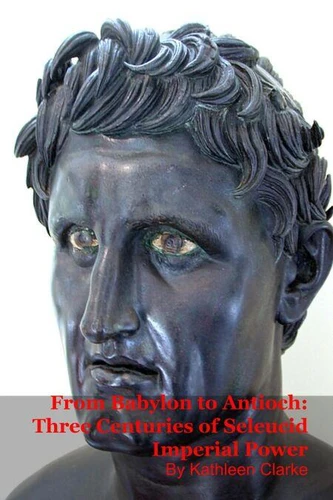
From Babylon to Antioch: Three Centuries of Seleucid Imperial Power
Par :Formats :
Disponible dans votre compte client Decitre ou Furet du Nord dès validation de votre commande. Le format ePub est :
- Compatible avec une lecture sur My Vivlio (smartphone, tablette, ordinateur)
- Compatible avec une lecture sur liseuses Vivlio
- Pour les liseuses autres que Vivlio, vous devez utiliser le logiciel Adobe Digital Edition. Non compatible avec la lecture sur les liseuses Kindle, Remarkable et Sony
 , qui est-ce ?
Notre partenaire de plateforme de lecture numérique où vous retrouverez l'ensemble de vos ebooks gratuitement
Pour en savoir plus sur nos ebooks, consultez notre aide en ligne ici
C'est si simple ! Lisez votre ebook avec l'app Vivlio sur votre tablette, mobile ou ordinateur :

- FormatePub
- ISBN8233784651
- EAN9798233784651
- Date de parution13/02/2026
- Protection num.pas de protection
- Infos supplémentairesepub
- ÉditeurLinda Balsamo
Résumé
From Babylon to Antioch: Three Centuries of Seleucid Imperial PowerThe Hegemony of the Anchor traces the rise and fall of the Seleucid Empire, one of antiquity's most ambitious yet least understood imperial projects. From Seleucus's daring return to Babylon with eight hundred soldiers in 312 BC to Pompey's quiet dissolution of the dynasty in 63 BC, this comprehensive history examines how a Macedonian military elite governed territories stretching from the Mediterranean to Central Asia for nearly three centuries.
The book moves beyond traditional military narrative to analyze the administrative systems that made such vast governance possible, the economic networks that sustained professional armies and magnificent courts, and the complex cultural negotiations between Greek settlers and indigenous populations. Particular attention is devoted to the dynasty's sophisticated approaches to religious tolerance, the revolutionary development of the military colony system, and the ultimately fatal collision with Roman power at Magnesia in 190 BC.
The final chapters examine the human cost of the terminal civil wars and assess the empire's enduring legacy in urbanization, administrative practice, and the creation of Koine Greek as the linguistic foundation for Christian scripture and Byzantine scholarship. This is the story of how Eastern and Western civilizations first truly combined, creating institutional and cultural models that would shape Mediterranean and Asian history long after the dynasty's political extinction.
The book moves beyond traditional military narrative to analyze the administrative systems that made such vast governance possible, the economic networks that sustained professional armies and magnificent courts, and the complex cultural negotiations between Greek settlers and indigenous populations. Particular attention is devoted to the dynasty's sophisticated approaches to religious tolerance, the revolutionary development of the military colony system, and the ultimately fatal collision with Roman power at Magnesia in 190 BC.
The final chapters examine the human cost of the terminal civil wars and assess the empire's enduring legacy in urbanization, administrative practice, and the creation of Koine Greek as the linguistic foundation for Christian scripture and Byzantine scholarship. This is the story of how Eastern and Western civilizations first truly combined, creating institutional and cultural models that would shape Mediterranean and Asian history long after the dynasty's political extinction.