SOLDES
Jusqu'à -70% sur une sélection d'articles*

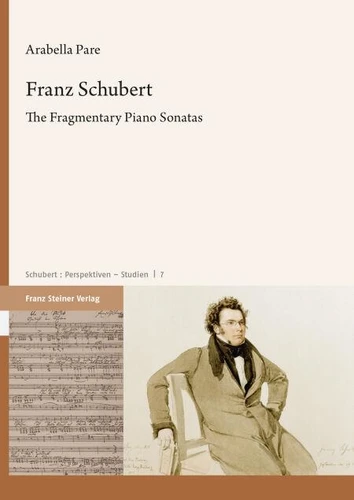
Franz Schubert. The Fragmentary Piano Sonatas
Par :Formats :
Disponible dans votre compte client Decitre ou Furet du Nord dès validation de votre commande. Le format PDF est :
- Compatible avec une lecture sur My Vivlio (smartphone, tablette, ordinateur)
- Compatible avec une lecture sur liseuses Vivlio
- Pour les liseuses autres que Vivlio, vous devez utiliser le logiciel Adobe Digital Edition. Non compatible avec la lecture sur les liseuses Kindle, Remarkable et Sony
 , qui est-ce ?
Notre partenaire de plateforme de lecture numérique où vous retrouverez l'ensemble de vos ebooks gratuitement
Pour en savoir plus sur nos ebooks, consultez notre aide en ligne ici
C'est si simple ! Lisez votre ebook avec l'app Vivlio sur votre tablette, mobile ou ordinateur :

- Nombre de pages418
- FormatPDF
- ISBN978-3-515-13180-3
- EAN9783515131803
- Date de parution17/06/2022
- Protection num.Digital Watermarking
- Taille3 Mo
- Infos supplémentairespdf
- ÉditeurFranz Steiner
Résumé
This study of the fragmentary piano sonatas by Franz Schubert, composed between 1815 and 1825, offers an individual analysis of each work, based upon a tripartite approach. It focuses on the aesthetic-philosophical nature of fragmentary works of art, the philological study of the extant manuscripts as well as recorded notational material and musical analyses.
This research includes a new perspective of Schubert's commitment to questions of form and compositional renewal and individuality.
The engagement with the incomplete, unfinished and fragmentary piano sonatas makes it possible to see the paths towards the later, more well-known compositions. In these works of the early nineteenth century, the working-processes and musical innovations of the composer Franz Schubert are seen as a development of a highly personal stylistic and formal integrity and independence over the course of a productive and innovative decade.
The engagement with the incomplete, unfinished and fragmentary piano sonatas makes it possible to see the paths towards the later, more well-known compositions. In these works of the early nineteenth century, the working-processes and musical innovations of the composer Franz Schubert are seen as a development of a highly personal stylistic and formal integrity and independence over the course of a productive and innovative decade.