SOLDES
Jusqu'à -70% sur une sélection d'articles*

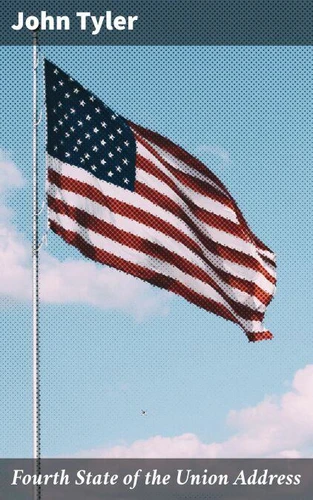
Fourth State of the Union Address. A Presidential Discourse on National Issues and American Ideals
Par :Formats :
Disponible dans votre compte client Decitre ou Furet du Nord dès validation de votre commande. Le format ePub est :
- Compatible avec une lecture sur My Vivlio (smartphone, tablette, ordinateur)
- Compatible avec une lecture sur liseuses Vivlio
- Pour les liseuses autres que Vivlio, vous devez utiliser le logiciel Adobe Digital Edition. Non compatible avec la lecture sur les liseuses Kindle, Remarkable et Sony
 , qui est-ce ?
Notre partenaire de plateforme de lecture numérique où vous retrouverez l'ensemble de vos ebooks gratuitement
Pour en savoir plus sur nos ebooks, consultez notre aide en ligne ici
C'est si simple ! Lisez votre ebook avec l'app Vivlio sur votre tablette, mobile ou ordinateur :

- Nombre de pages25
- FormatePub
- ISBN406-4-06-642912-6
- EAN4064066429126
- Date de parution08/12/2020
- Protection num.Digital Watermarking
- Taille588 Ko
- Infos supplémentairesepub
- ÉditeurGOOD PRESS
Résumé
In John Tyler's "Fourth State of the Union Address, " the reader is invited to explore the intricate political landscape of mid-19th century America, marked by sectional strife and burgeoning national identity. Written in a formal yet evocative style, this address illustrates Tyler's profound understanding of the challenges faced by the nation, including slavery, economic disparity, and the pursuit of manifest destiny.
The literary context of the time reveals a nation on the cusp of transformation, and Tyler's eloquence captures both the urgency and complexity of his era's political discourse. John Tyler, the 10th President of the United States, brought his unique historical perspective to this address, rooted in his Virginia upbringing and the turbulent political climate of his presidency from 1841 to 1845. His tenure was marked by significant tensions, including his contentious battles within the Whig party and his pro-annexation stance regarding Texas.
These experiences undoubtedly shaped his insights and emphatic advocacy for unity in the face of division, making his address a critical analysis of American politics. "Fourth State of the Union Address" is an essential read for anyone interested in the undercurrents of American history and governance. Tyler's keen observations and articulate pleas for national cohesion resonate with contemporary debates on federalism and collective identity, offering valuable lessons that remain relevant today.
The literary context of the time reveals a nation on the cusp of transformation, and Tyler's eloquence captures both the urgency and complexity of his era's political discourse. John Tyler, the 10th President of the United States, brought his unique historical perspective to this address, rooted in his Virginia upbringing and the turbulent political climate of his presidency from 1841 to 1845. His tenure was marked by significant tensions, including his contentious battles within the Whig party and his pro-annexation stance regarding Texas.
These experiences undoubtedly shaped his insights and emphatic advocacy for unity in the face of division, making his address a critical analysis of American politics. "Fourth State of the Union Address" is an essential read for anyone interested in the undercurrents of American history and governance. Tyler's keen observations and articulate pleas for national cohesion resonate with contemporary debates on federalism and collective identity, offering valuable lessons that remain relevant today.