SOLDES
Jusqu'à -70% sur une sélection d'articles*

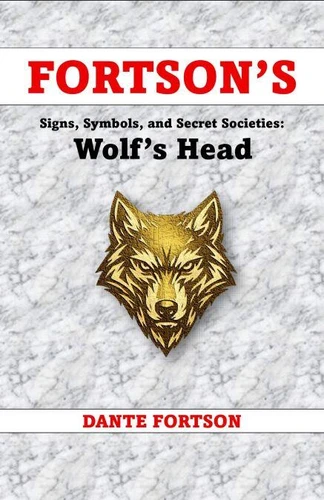
Fortson's Signs, Symbols, and Secret Societies: Wolf's Head Society. Fortson's Signs, Symbols, and Secret Societies
Par :Formats :
Disponible dans votre compte client Decitre ou Furet du Nord dès validation de votre commande. Le format ePub est :
- Compatible avec une lecture sur My Vivlio (smartphone, tablette, ordinateur)
- Compatible avec une lecture sur liseuses Vivlio
- Pour les liseuses autres que Vivlio, vous devez utiliser le logiciel Adobe Digital Edition. Non compatible avec la lecture sur les liseuses Kindle, Remarkable et Sony
 , qui est-ce ?
Notre partenaire de plateforme de lecture numérique où vous retrouverez l'ensemble de vos ebooks gratuitement
Pour en savoir plus sur nos ebooks, consultez notre aide en ligne ici
C'est si simple ! Lisez votre ebook avec l'app Vivlio sur votre tablette, mobile ou ordinateur :

- FormatePub
- ISBN8233437298
- EAN9798233437298
- Date de parution20/01/2026
- Protection num.pas de protection
- Infos supplémentairesepub
- ÉditeurLinda Balsamo
Résumé
For readers of the Ninth House series looking to discover the real history behind the Wolf's Head society... The history of Yale University is an intricate tapestry of tradition, architecture; and perhaps most famously, its secretive landed societies. Among the "Big Three" senior societies, Wolf's Head often occupies a unique position in the public imagination. While Skull and Bones is synonymous with political power and Scroll and Key with the literary and artistic elite; Wolf's Head has historically represented the "gentlemanly" social establishment of the university.
Founded in 1883, it was the last of the three to be established, emerging during a period of intense social transition at Yale. To understand Wolf's Head is to understand the evolution of the American collegiate ideal; shifting from the rigid religious foundations of the nineteenth century to the more secular, network-driven power structures of the twentieth century. The society was born out of a perceived need for a third major institution that could accommodate the growing number of eligible juniors who were being overlooked by the existing two societies.
In the late 1800s, the "society system" at Yale was the ultimate arbiter of social success. Failure to be "tapped" for a senior society was often viewed as a permanent mark of social mediocrity. Thus, a group of influential juniors and alumni conspired to create a new order that would command the same respect as its predecessors. This introduction explores the foundational ethos of the society; its architectural presence in New Haven, and the specific socio-political climate that allowed a "secret" organization to become a pillar of one of the world's most prestigious academic institutions.
Founded in 1883, it was the last of the three to be established, emerging during a period of intense social transition at Yale. To understand Wolf's Head is to understand the evolution of the American collegiate ideal; shifting from the rigid religious foundations of the nineteenth century to the more secular, network-driven power structures of the twentieth century. The society was born out of a perceived need for a third major institution that could accommodate the growing number of eligible juniors who were being overlooked by the existing two societies.
In the late 1800s, the "society system" at Yale was the ultimate arbiter of social success. Failure to be "tapped" for a senior society was often viewed as a permanent mark of social mediocrity. Thus, a group of influential juniors and alumni conspired to create a new order that would command the same respect as its predecessors. This introduction explores the foundational ethos of the society; its architectural presence in New Haven, and the specific socio-political climate that allowed a "secret" organization to become a pillar of one of the world's most prestigious academic institutions.