SOLDES
Jusqu'à -70% sur une sélection d'articles*

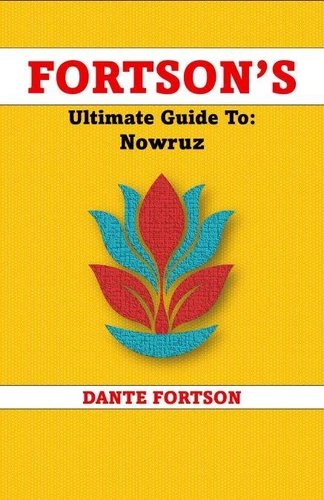
Fortson's Handbooks For The Holidays: Nowruz (Persian New Year). Fortson's Handbooks For The Holidays
Par :Formats :
Disponible dans votre compte client Decitre ou Furet du Nord dès validation de votre commande. Le format ePub est :
- Compatible avec une lecture sur My Vivlio (smartphone, tablette, ordinateur)
- Compatible avec une lecture sur liseuses Vivlio
- Pour les liseuses autres que Vivlio, vous devez utiliser le logiciel Adobe Digital Edition. Non compatible avec la lecture sur les liseuses Kindle, Remarkable et Sony
 , qui est-ce ?
Notre partenaire de plateforme de lecture numérique où vous retrouverez l'ensemble de vos ebooks gratuitement
Pour en savoir plus sur nos ebooks, consultez notre aide en ligne ici
C'est si simple ! Lisez votre ebook avec l'app Vivlio sur votre tablette, mobile ou ordinateur :

- FormatePub
- ISBN8233632051
- EAN9798233632051
- Date de parution16/02/2026
- Protection num.pas de protection
- Infos supplémentairesepub
- ÉditeurLinda Balsamo
Résumé
Nowruz, which translates literally to "new day" in Persian, stands as one of the oldest and most enduring festivals in human history. For over three millennia, this celebration has marked the arrival of the spring equinox, the exact moment when the sun crosses the celestial equator and day and night reach a state of perfect equilibrium. It is more than just a calendar event, it is a profound cultural phenomenon that has survived the rise and fall of empires, the shifts of major world religions, and the tumultuous currents of political upheaval.
From its mythical beginnings in the hazy dawn of antiquity to its contemporary status as a globally recognized holiday by the United Nations, Nowruz embodies the universal human themes of rebirth, renewal, and the eternal triumph of light over darkness. The festival's origins are inextricably linked to the ancient Iranian plateau, where the rhythmic cycles of nature dictated the survival of early agricultural and nomadic societies.
In these contexts, the retreat of the harsh, deathly winter and the subsequent return of life to the soil was not merely a seasonal shift but a spiritual victory. This worldview was formalized through Zoroastrianism, one of the world's first monotheistic faiths, which adopted Nowruz as its holiest day. Throughout history, the celebration has served as a bridge between the mythological past and the historical present.
It is mentioned in the Shah-nameh, the epic "Book of Kings" by the poet Ferdowsi, which credits its founding to the legendary King Jamshid. Even as the Persian world underwent seismic changes, such as the Arab conquest and the subsequent Islamization of the region, Nowruz remained a constant, proving its resilience by being embraced by caliphs, sultans, and commoners alike. Today, it remains a vibrant, living tradition celebrated by over 300 million people across a vast geographic expanse, from the Balkans to the Black Sea Basin, through Central Asia and into the Indian subcontinent.
From its mythical beginnings in the hazy dawn of antiquity to its contemporary status as a globally recognized holiday by the United Nations, Nowruz embodies the universal human themes of rebirth, renewal, and the eternal triumph of light over darkness. The festival's origins are inextricably linked to the ancient Iranian plateau, where the rhythmic cycles of nature dictated the survival of early agricultural and nomadic societies.
In these contexts, the retreat of the harsh, deathly winter and the subsequent return of life to the soil was not merely a seasonal shift but a spiritual victory. This worldview was formalized through Zoroastrianism, one of the world's first monotheistic faiths, which adopted Nowruz as its holiest day. Throughout history, the celebration has served as a bridge between the mythological past and the historical present.
It is mentioned in the Shah-nameh, the epic "Book of Kings" by the poet Ferdowsi, which credits its founding to the legendary King Jamshid. Even as the Persian world underwent seismic changes, such as the Arab conquest and the subsequent Islamization of the region, Nowruz remained a constant, proving its resilience by being embraced by caliphs, sultans, and commoners alike. Today, it remains a vibrant, living tradition celebrated by over 300 million people across a vast geographic expanse, from the Balkans to the Black Sea Basin, through Central Asia and into the Indian subcontinent.