SOLDES
Jusqu'à -70% sur une sélection d'articles*

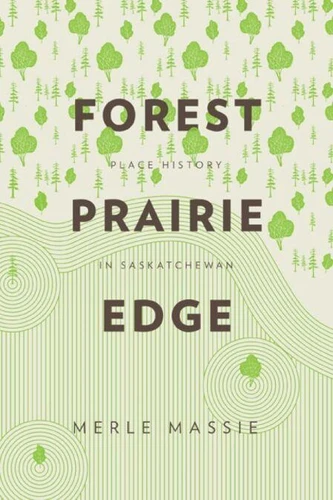
Forest Prairie Edge. Place History in Saskatchewan
Par :Formats :
Disponible dans votre compte client Decitre ou Furet du Nord dès validation de votre commande. Le format ePub est :
- Compatible avec une lecture sur My Vivlio (smartphone, tablette, ordinateur)
- Compatible avec une lecture sur liseuses Vivlio
- Pour les liseuses autres que Vivlio, vous devez utiliser le logiciel Adobe Digital Edition. Non compatible avec la lecture sur les liseuses Kindle, Remarkable et Sony
 , qui est-ce ?
Notre partenaire de plateforme de lecture numérique où vous retrouverez l'ensemble de vos ebooks gratuitement
Pour en savoir plus sur nos ebooks, consultez notre aide en ligne ici
C'est si simple ! Lisez votre ebook avec l'app Vivlio sur votre tablette, mobile ou ordinateur :

- Nombre de pages344
- FormatePub
- ISBN978-0-88755-454-4
- EAN9780887554544
- Date de parution26/04/2014
- Protection num.Digital Watermarking
- Taille10 Mo
- Infos supplémentairesepub
- ÉditeurUniversity of Manitoba Press
Résumé
Saskatchewan is the anchor and epitome of the 'prairie' provinces, even though half of the province is covered by boreal forest. The Canadian penchant for dividing this vast country into easily-understood 'regions' has reduced the Saskatchewan identity to its southern prairie denominator and has distorted cultural and historical interpretations to favour the prairie south.
Forest Prairie Edge is a deep-time investigation of the edge land, or ecotone, between the open prairies and boreal forest region of Saskatchewan.
Ecotones are transitions from one landscape to another, where social, economic, and cultural practices of different landscapes are blended. Using place history and edge theory, Massie considers the role and importance of the edge ecotone in building a diverse social and economic past that contradicts traditional "prairie" narratives around settlement, economic development, and culture. She offers a refreshing new perspective that overturns long-held assumptions of the prairies and the Canadian west.
Ecotones are transitions from one landscape to another, where social, economic, and cultural practices of different landscapes are blended. Using place history and edge theory, Massie considers the role and importance of the edge ecotone in building a diverse social and economic past that contradicts traditional "prairie" narratives around settlement, economic development, and culture. She offers a refreshing new perspective that overturns long-held assumptions of the prairies and the Canadian west.