SOLDES
Jusqu'à -70% sur une sélection d'articles*

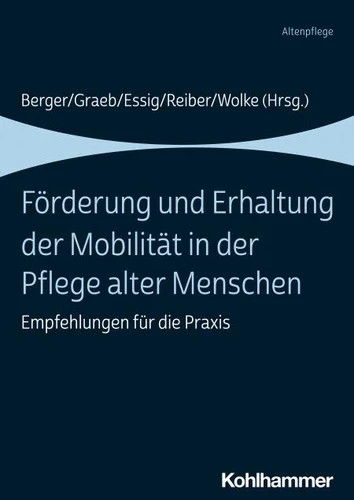
Förderung und Erhaltung der Mobilität in der Pflege alter Menschen. Empfehlungen für die Praxis
Par : , , , ,Formats :
Disponible dans votre compte client Decitre ou Furet du Nord dès validation de votre commande. Le format ePub est :
- Compatible avec une lecture sur My Vivlio (smartphone, tablette, ordinateur)
- Compatible avec une lecture sur liseuses Vivlio
- Pour les liseuses autres que Vivlio, vous devez utiliser le logiciel Adobe Digital Edition. Non compatible avec la lecture sur les liseuses Kindle, Remarkable et Sony
 , qui est-ce ?
Notre partenaire de plateforme de lecture numérique où vous retrouverez l'ensemble de vos ebooks gratuitement
Pour en savoir plus sur nos ebooks, consultez notre aide en ligne ici
C'est si simple ! Lisez votre ebook avec l'app Vivlio sur votre tablette, mobile ou ordinateur :

- Nombre de pages394
- FormatePub
- ISBN978-3-17-039586-2
- EAN9783170395862
- Date de parution22/06/2022
- Protection num.Digital Watermarking
- Taille7 Mo
- Infos supplémentairesepub
- ÉditeurKohlhammer
Résumé
People=s entire daily routine involves movement. Restricted mobility therefore leads to development of a need for long-term care, as everyday activities can no longer be managed. Mobility is thus associated with quality of life, ability to participate, and personal independence. The aim should therefore be to get more movement into the day. Carers can have a positive influence on mobility, preventing those affected from becoming immobilized and bedridden, and can encourage processes to reverse such developments.
To do this, it is necessary to identify meaningful reasons and occasions for getting the patient mobile and to implement these in collaboration with other partners. This book provides many tips and suggestions on how to successfully promote mobility in everyday life. All settings for geriatric care are taken into account, and interesting practical examples and movement concepts are presented. Management of elderly people who no longer want to move, or are no longer able to, is also addressed and ethically examined.
To do this, it is necessary to identify meaningful reasons and occasions for getting the patient mobile and to implement these in collaboration with other partners. This book provides many tips and suggestions on how to successfully promote mobility in everyday life. All settings for geriatric care are taken into account, and interesting practical examples and movement concepts are presented. Management of elderly people who no longer want to move, or are no longer able to, is also addressed and ethically examined.