SOLDES
Jusqu'à -70% sur une sélection d'articles*

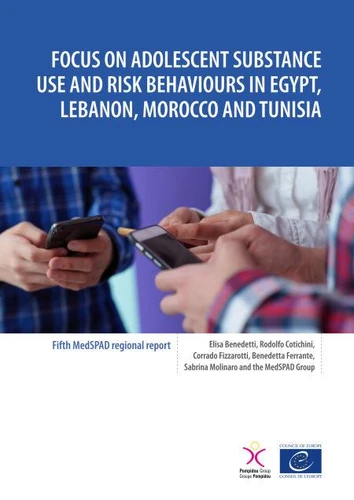
Focus on adolescent substance use and risk behaviours in Egypt, Lebanon, Morocco and Tunisia
Par : , , , ,Formats :
Disponible dans votre compte client Decitre ou Furet du Nord dès validation de votre commande. Le format ePub est :
- Compatible avec une lecture sur My Vivlio (smartphone, tablette, ordinateur)
- Compatible avec une lecture sur liseuses Vivlio
- Pour les liseuses autres que Vivlio, vous devez utiliser le logiciel Adobe Digital Edition. Non compatible avec la lecture sur les liseuses Kindle, Remarkable et Sony
 , qui est-ce ?
Notre partenaire de plateforme de lecture numérique où vous retrouverez l'ensemble de vos ebooks gratuitement
Pour en savoir plus sur nos ebooks, consultez notre aide en ligne ici
C'est si simple ! Lisez votre ebook avec l'app Vivlio sur votre tablette, mobile ou ordinateur :

- FormatePub
- ISBN978-92-871-9662-0
- EAN9789287196620
- Date de parution24/03/2026
- Protection num.pas de protection
- Infos supplémentairesepub
- ÉditeurCouncil of Europe
Résumé
For the first time, a regional lens reveals the realities of substance use and risk behaviours among Mediterranean adolescents, offering unprecedented insights to guide prevention and policy. What are the substance use patterns and risk behaviours among Mediterranean adolescents? This is precisely what the Mediterranean School Survey on Alcohol and Other Drugs (MedSPAD) study aims to investigate, providing valuable insights for policy and prevention efforts.
This publication, developed within the framework of the Mediterranean Network on Drugs and Addiction of the Council of Europe International Co-operation Group on Drugs and Addictions (Pompidou Group), focuses on MedSPAD results from Egypt, Lebanon, Morocco and Tunisia. It offers a detailed analysis of commonalities and differences across the southern Mediterranean region, examining early-onset behaviours, perceived substance availability and the prevalence of alcohol, nicotine, cannabis and other drug use.
Additionally, as a newly introduced aspect of the survey methodology, it explores gambling, gaming and social media habits. To ensure a meaningful interpretation of the MedSPAD results, this study also provides a comprehensive analysis of the policy framework related to each topic, alongside an examination of the individual and environmental factors associated with substance use and risk behaviours among adolescent students.
For the first time, it also assesses the impact of MedSPAD in each participating country. Conducting the study itself represents a significant and innovative effort, requiring the training of local personnel to implement valid, reliable and comparable school-based survey data collection in each country. This is the first time such data have been compiled and analysed in this way, offering unprecedented insight into substance use and addiction among young people on a regional scale.
This publication, developed within the framework of the Mediterranean Network on Drugs and Addiction of the Council of Europe International Co-operation Group on Drugs and Addictions (Pompidou Group), focuses on MedSPAD results from Egypt, Lebanon, Morocco and Tunisia. It offers a detailed analysis of commonalities and differences across the southern Mediterranean region, examining early-onset behaviours, perceived substance availability and the prevalence of alcohol, nicotine, cannabis and other drug use.
Additionally, as a newly introduced aspect of the survey methodology, it explores gambling, gaming and social media habits. To ensure a meaningful interpretation of the MedSPAD results, this study also provides a comprehensive analysis of the policy framework related to each topic, alongside an examination of the individual and environmental factors associated with substance use and risk behaviours among adolescent students.
For the first time, it also assesses the impact of MedSPAD in each participating country. Conducting the study itself represents a significant and innovative effort, requiring the training of local personnel to implement valid, reliable and comparable school-based survey data collection in each country. This is the first time such data have been compiled and analysed in this way, offering unprecedented insight into substance use and addiction among young people on a regional scale.