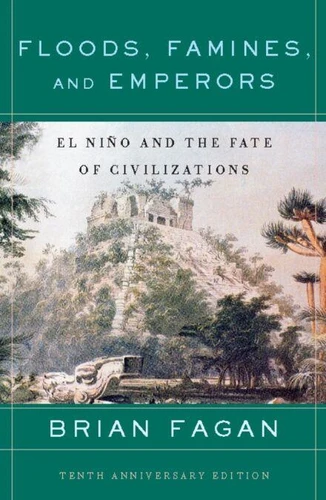
The definitive account of how the world's best-known climate event has made an indelible impact on history. "Fagan makes high drama out of.the cracking of El Nino's riddle."-Washington PostIn the last three decades, El Niño has brought extreme drought, floods, and heat waves to every continent in recent years. Such effects are not new: climatologists know the El Niño and other climate anomalies have been disrupting weather patterns throughout history.
But archaeologist Brian Fagan was among the first to ask how they have put stress on cultures and forced them to adapt. What determines whether they adapt successfully? How do these climate stresses affect people's faith in the foundations of their society and the legitimacy of their rulers? How vulnerable is our own society to climate change? In this dazzlingly original book, Fagan shows that short-term climate shifts have been a major-and hitherto under-recognized-force in history.
El Niño -driven droughts have brought on the collapse of dynasties in Egypt; El Niño monsoon failures have caused historic famines in India; and El Niño floods have destroyed whole civilizations in Peru. Other short-term climate changes may have caused the mysterious abandonment of the Anasazi dwellings in the American Southwest and the collapse of the ancient Maya empire, as well as changed the course of European history. This beautifully written, groundbreaking book is the definitive account of how the world's most pivotal climate event has shaped human history.
The definitive account of how the world's best-known climate event has made an indelible impact on history. "Fagan makes high drama out of.the cracking of El Nino's riddle."-Washington PostIn the last three decades, El Niño has brought extreme drought, floods, and heat waves to every continent in recent years. Such effects are not new: climatologists know the El Niño and other climate anomalies have been disrupting weather patterns throughout history.
But archaeologist Brian Fagan was among the first to ask how they have put stress on cultures and forced them to adapt. What determines whether they adapt successfully? How do these climate stresses affect people's faith in the foundations of their society and the legitimacy of their rulers? How vulnerable is our own society to climate change? In this dazzlingly original book, Fagan shows that short-term climate shifts have been a major-and hitherto under-recognized-force in history.
El Niño -driven droughts have brought on the collapse of dynasties in Egypt; El Niño monsoon failures have caused historic famines in India; and El Niño floods have destroyed whole civilizations in Peru. Other short-term climate changes may have caused the mysterious abandonment of the Anasazi dwellings in the American Southwest and the collapse of the ancient Maya empire, as well as changed the course of European history. This beautifully written, groundbreaking book is the definitive account of how the world's most pivotal climate event has shaped human history.


 , qui est-ce ?