SOLDES
Jusqu'à -70% sur une sélection d'articles*

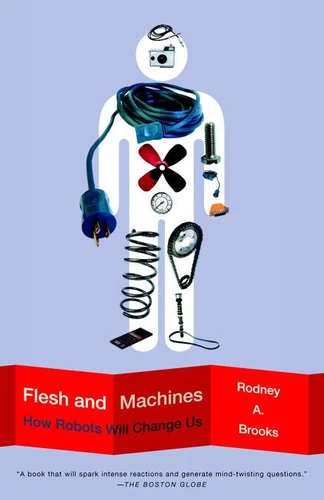
Flesh and Machines. How Robots Will Change Us
Par :Formats :
Disponible dans votre compte client Decitre ou Furet du Nord dès validation de votre commande. Le format ePub protégé est :
- Compatible avec une lecture sur My Vivlio (smartphone, tablette, ordinateur)
- Compatible avec une lecture sur liseuses Vivlio
- Pour les liseuses autres que Vivlio, vous devez utiliser le logiciel Adobe Digital Edition. Non compatible avec la lecture sur les liseuses Kindle, Remarkable et Sony
- Non compatible avec un achat hors France métropolitaine
 , qui est-ce ?
Notre partenaire de plateforme de lecture numérique où vous retrouverez l'ensemble de vos ebooks gratuitement
Pour en savoir plus sur nos ebooks, consultez notre aide en ligne ici
C'est si simple ! Lisez votre ebook avec l'app Vivlio sur votre tablette, mobile ou ordinateur :

- Nombre de pages272
- FormatePub
- ISBN0-375-42193-9
- EAN9780375421938
- Date de parution09/04/2002
- Protection num.Adobe DRM
- Taille425 Ko
- Infos supplémentairesepub
- ÉditeurVintage
Résumé
From the director of the MIT Artificial Intelligence Laboratory-"a stimulating book written by one of the major players in the field-perhaps the major player.... Offers surprisingly deep glimpses into what it is to be human" (The New York Times Book Review). Are we really on the brink of having robots to mop our floors, do our dishes, mow our lawns, and clean our windows? And are researchers that close to creating robots that can think, feel, repair themselves, and even reproduce? Rodney A.
Brooks believes we are. In this lucid and accessible book, Brooks vividly depicts the history of robots and explores the ever-changing relationships between humans and their technological brethren, speculating on the growing role that robots will play in our existence. Knowing the moral battle likely to ensue, he posits a clear philosophical argument as to why we should not fear that change. What results is a fascinating book that offers a deeper understanding of who we are and how we can control what we will become.
Brooks believes we are. In this lucid and accessible book, Brooks vividly depicts the history of robots and explores the ever-changing relationships between humans and their technological brethren, speculating on the growing role that robots will play in our existence. Knowing the moral battle likely to ensue, he posits a clear philosophical argument as to why we should not fear that change. What results is a fascinating book that offers a deeper understanding of who we are and how we can control what we will become.