SOLDES
Jusqu'à -70% sur une sélection d'articles*

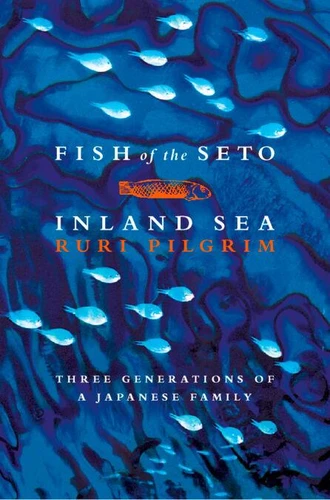
Fish of the Seto Inland Sea (Text Only)
Par :Formats :
Disponible dans votre compte client Decitre ou Furet du Nord dès validation de votre commande. Le format ePub protégé est :
- Compatible avec une lecture sur My Vivlio (smartphone, tablette, ordinateur)
- Compatible avec une lecture sur liseuses Vivlio
- Pour les liseuses autres que Vivlio, vous devez utiliser le logiciel Adobe Digital Edition. Non compatible avec la lecture sur les liseuses Kindle, Remarkable et Sony
- Non compatible avec un achat hors France métropolitaine
 , qui est-ce ?
Notre partenaire de plateforme de lecture numérique où vous retrouverez l'ensemble de vos ebooks gratuitement
Pour en savoir plus sur nos ebooks, consultez notre aide en ligne ici
C'est si simple ! Lisez votre ebook avec l'app Vivlio sur votre tablette, mobile ou ordinateur :

- Nombre de pages432
- FormatePub
- ISBN978-0-00-748483-6
- EAN9780007484836
- Date de parution27/02/2014
- Protection num.Adobe DRM
- Infos supplémentairesepub
- ÉditeurHarperCollins
Résumé
An extraordinary portrait of one family across the years of Japan's greatest changes; a loving, honest, moving biography of the author's mother. Ruri Pilgrim tells the story of her family from the 1870s to the 1950s. She begins with the formality and security of the arrangements of life for a Japanese middle-class family, living in a walled compound with their servants, following exactly the tradition inherited from their parents, with marriages arranged for the children, which continued up till World War II.
By then her mother was married to an engineer and living in Japanese-occupied Manchuria. That period, with her mother's often funny, painful experiences of learning about the Chinese and Russians with whom she now lived with her growing family, and the war seen from her point of view, is fascinating. At the end of the war, the Japanese - women, children, everyone - had to escape, walking hundreds of miles to the coast.
The family returned to a Tokyo where the society, the culture, the economy was entirely overturned. The Americans were everywhere, the Japanese were unemployed, and the ways of society that they had all known had vanished. And yet somehow Ruri's indomitable mother survived.
By then her mother was married to an engineer and living in Japanese-occupied Manchuria. That period, with her mother's often funny, painful experiences of learning about the Chinese and Russians with whom she now lived with her growing family, and the war seen from her point of view, is fascinating. At the end of the war, the Japanese - women, children, everyone - had to escape, walking hundreds of miles to the coast.
The family returned to a Tokyo where the society, the culture, the economy was entirely overturned. The Americans were everywhere, the Japanese were unemployed, and the ways of society that they had all known had vanished. And yet somehow Ruri's indomitable mother survived.