SOLDES
Jusqu'à -70% sur une sélection d'articles*

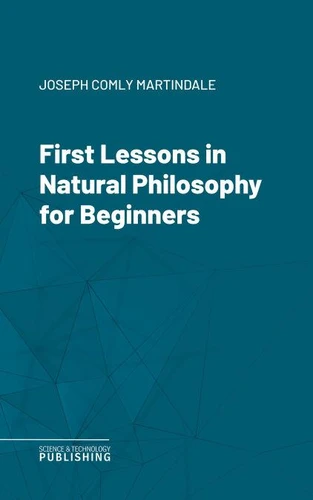
First Lessons in Natural Philosophy for Beginners
Par :Formats :
Disponible dans votre compte client Decitre ou Furet du Nord dès validation de votre commande. Le format ePub est :
- Compatible avec une lecture sur My Vivlio (smartphone, tablette, ordinateur)
- Compatible avec une lecture sur liseuses Vivlio
- Pour les liseuses autres que Vivlio, vous devez utiliser le logiciel Adobe Digital Edition. Non compatible avec la lecture sur les liseuses Kindle, Remarkable et Sony
 , qui est-ce ?
Notre partenaire de plateforme de lecture numérique où vous retrouverez l'ensemble de vos ebooks gratuitement
Pour en savoir plus sur nos ebooks, consultez notre aide en ligne ici
C'est si simple ! Lisez votre ebook avec l'app Vivlio sur votre tablette, mobile ou ordinateur :

- FormatePub
- ISBN978-2-5281-1379-0
- EAN9782528113790
- Date de parution01/09/2025
- Protection num.pas de protection
- Infos supplémentairesepub
- ÉditeurScience & Technology Publishing
Résumé
First Lessons in Natural Philosophy for Beginners is a foundational science textbook designed to introduce young learners and novices to the basic principles of natural philosophy, which today we call physics. Authored by Joseph C. Martindale, this book was originally published in the 19th century and reflects the educational methods and scientific understanding of its time. The text is structured in a clear, question-and-answer format, making it accessible and engaging for beginners.
It covers a wide range of topics, including matter, force, motion, gravity, heat, light, sound, and electricity, providing simple explanations and practical examples to illustrate each concept. The book emphasizes observation, reasoning, and the importance of scientific inquiry, encouraging students to think critically about the natural world. With its straightforward language and logical progression, First Lessons in Natural Philosophy for Beginners serves as an excellent introduction to the fundamental laws that govern the universe, laying the groundwork for further study in science.
The book also includes illustrations and diagrams to aid understanding, making complex ideas more approachable for young readers. As a historical educational resource, it offers insight into how science was taught in the past and remains a valuable reference for those interested in the history of science education.
It covers a wide range of topics, including matter, force, motion, gravity, heat, light, sound, and electricity, providing simple explanations and practical examples to illustrate each concept. The book emphasizes observation, reasoning, and the importance of scientific inquiry, encouraging students to think critically about the natural world. With its straightforward language and logical progression, First Lessons in Natural Philosophy for Beginners serves as an excellent introduction to the fundamental laws that govern the universe, laying the groundwork for further study in science.
The book also includes illustrations and diagrams to aid understanding, making complex ideas more approachable for young readers. As a historical educational resource, it offers insight into how science was taught in the past and remains a valuable reference for those interested in the history of science education.