
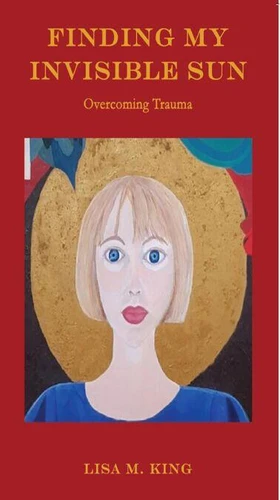
Finding My Invisible Sun
Par :Formats :
Disponible dans votre compte client Decitre ou Furet du Nord dès validation de votre commande. Le format ePub est :
- Compatible avec une lecture sur My Vivlio (smartphone, tablette, ordinateur)
- Compatible avec une lecture sur liseuses Vivlio
- Pour les liseuses autres que Vivlio, vous devez utiliser le logiciel Adobe Digital Edition. Non compatible avec la lecture sur les liseuses Kindle, Remarkable et Sony
 , qui est-ce ?
Notre partenaire de plateforme de lecture numérique où vous retrouverez l'ensemble de vos ebooks gratuitement
Pour en savoir plus sur nos ebooks, consultez notre aide en ligne ici
C'est si simple ! Lisez votre ebook avec l'app Vivlio sur votre tablette, mobile ou ordinateur :

- FormatePub
- ISBN978-1-922920-22-5
- EAN9781922920225
- Date de parution29/03/2023
- Protection num.pas de protection
- Infos supplémentairesepub
- Éditeuraspg
Résumé
Finding My Invisible Sun is a moving, intensely thought-provoking and courageous memoir that illuminates an individual's capacity for, and path to, recovery and transformation from cumulative trauma. The rich use of imagery and language invites the reader to witness, connect with, and share the author's experiences of growing up, trauma, mental illness, love, discrimination and healing via literary devices that masterfully synthesise science and art, excruciatingly poignant realism and the special magic realism that the surreal world of dissociation offers the desperate fugitive.
Finding My Invisible Sun uses Lisa King's experiences and observations to challenge the current dominant discourse pervading Australian academic institutions, mental health systems and public health policy. It provides compassion, wisdom, and hope for readers searching for guidance in approaching trauma recovery and transformation. Finding My Invisible Sun differs from other trauma studies because its interdisciplinarian approach questions and flouts power structures, and demands a revolutionary, critical examination of the experience of mental illness: breathing human life into an abstract and nebulous statistic.
Lisa King's deep prizing of humanity and social justice is not lost in the text's dense evidence-based research, making it an essential, accessible and practical book for readers wanting to understand their experience of trauma; for tertiary students and academics across health disciplines, and clinicians.
Finding My Invisible Sun uses Lisa King's experiences and observations to challenge the current dominant discourse pervading Australian academic institutions, mental health systems and public health policy. It provides compassion, wisdom, and hope for readers searching for guidance in approaching trauma recovery and transformation. Finding My Invisible Sun differs from other trauma studies because its interdisciplinarian approach questions and flouts power structures, and demands a revolutionary, critical examination of the experience of mental illness: breathing human life into an abstract and nebulous statistic.
Lisa King's deep prizing of humanity and social justice is not lost in the text's dense evidence-based research, making it an essential, accessible and practical book for readers wanting to understand their experience of trauma; for tertiary students and academics across health disciplines, and clinicians.