SOLDES
Jusqu'à -70% sur une sélection d'articles*

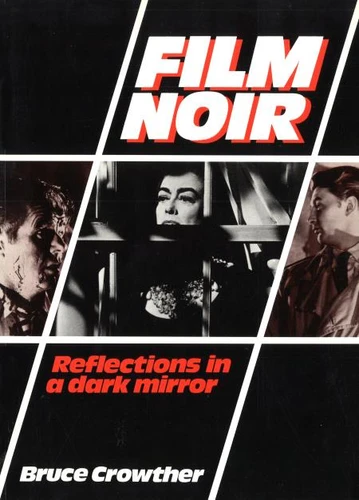
Film Noir
Par :Formats :
Disponible dans votre compte client Decitre ou Furet du Nord dès validation de votre commande. Le format ePub protégé est :
- Compatible avec une lecture sur My Vivlio (smartphone, tablette, ordinateur)
- Compatible avec une lecture sur liseuses Vivlio
- Pour les liseuses autres que Vivlio, vous devez utiliser le logiciel Adobe Digital Edition. Non compatible avec la lecture sur les liseuses Kindle, Remarkable et Sony
- Non compatible avec un achat hors France métropolitaine
 , qui est-ce ?
Notre partenaire de plateforme de lecture numérique où vous retrouverez l'ensemble de vos ebooks gratuitement
Pour en savoir plus sur nos ebooks, consultez notre aide en ligne ici
C'est si simple ! Lisez votre ebook avec l'app Vivlio sur votre tablette, mobile ou ordinateur :

- Nombre de pages192
- FormatePub
- ISBN978-0-7535-4607-9
- EAN9780753546079
- Date de parution31/12/2011
- Protection num.Adobe DRM
- Infos supplémentairesepub
- ÉditeurVirgin Digital
Résumé
With the advent of the Second World War a new mood was discernible in film drama - an atmosphere of disillusion and a sense of foreboding, a dark quality that derived as much from the characters depicted as from the cinematographer's art. These films, among them such classics as Double Indemnity, The Woman in the Window, Touch of Evil and sunset Boulevard, emerged retrospectively as a genre in themselves when a French film critic referred to them collectively as film noir.
Bruce Crowther looks into noir's literary origins (often in the novels of the so-called 'hard-boiled' school typified by Raymond Chandler, Dashiell Hammett and Cornell Woolrich), and at how the material translated to the screen, noting in particular influences from German expressionist films and the almost indispensable techniques of flashback and voice-over narration. He also assesses the contribution made by the players - by actors such as Robert Mitchum, Dick Powell, Alan Ladd and John Garfield and actresses such as Barbara Stanwyck, Lizabeth Scott, Joan Crawford and Gloria Grahame, together with a roll-call of supporting players whose screen presence could lend almost any film the noir imprimatur.
Noir was in its heyday from 1945 to 1955, a time when paranoia and disillusion, anxiety and violence could be said to have been part of the fabric of American, and particularly Hollywood, society, yet its impact and its influence are with us still - in films as diverse as The French Connection, Chinatown and Body Heat. This Book commemorates a special period in film-making and a unique combination of talent resulting in a spectrum of films that are as welcome today on their small-screen airings as they were when first shown in cinema.
Bruce Crowther looks into noir's literary origins (often in the novels of the so-called 'hard-boiled' school typified by Raymond Chandler, Dashiell Hammett and Cornell Woolrich), and at how the material translated to the screen, noting in particular influences from German expressionist films and the almost indispensable techniques of flashback and voice-over narration. He also assesses the contribution made by the players - by actors such as Robert Mitchum, Dick Powell, Alan Ladd and John Garfield and actresses such as Barbara Stanwyck, Lizabeth Scott, Joan Crawford and Gloria Grahame, together with a roll-call of supporting players whose screen presence could lend almost any film the noir imprimatur.
Noir was in its heyday from 1945 to 1955, a time when paranoia and disillusion, anxiety and violence could be said to have been part of the fabric of American, and particularly Hollywood, society, yet its impact and its influence are with us still - in films as diverse as The French Connection, Chinatown and Body Heat. This Book commemorates a special period in film-making and a unique combination of talent resulting in a spectrum of films that are as welcome today on their small-screen airings as they were when first shown in cinema.