SOLDES
Jusqu'à -70% sur une sélection d'articles*

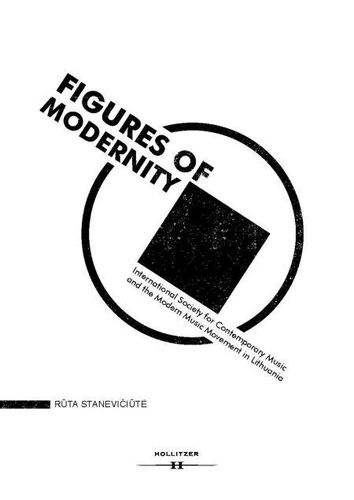
Figures of Modernity. International Society for Contemporary Music and the Modern Music Movement in Lithuania
Par :Formats :
Disponible dans votre compte client Decitre ou Furet du Nord dès validation de votre commande. Le format PDF est :
- Compatible avec une lecture sur My Vivlio (smartphone, tablette, ordinateur)
- Compatible avec une lecture sur liseuses Vivlio
- Pour les liseuses autres que Vivlio, vous devez utiliser le logiciel Adobe Digital Edition. Non compatible avec la lecture sur les liseuses Kindle, Remarkable et Sony
 , qui est-ce ?
Notre partenaire de plateforme de lecture numérique où vous retrouverez l'ensemble de vos ebooks gratuitement
Pour en savoir plus sur nos ebooks, consultez notre aide en ligne ici
C'est si simple ! Lisez votre ebook avec l'app Vivlio sur votre tablette, mobile ou ordinateur :

- Nombre de pages312
- FormatPDF
- ISBN978-3-99094-110-2
- EAN9783990941102
- Date de parution11/11/2024
- Protection num.Digital Watermarking
- Taille7 Mo
- Infos supplémentairespdf
- ÉditeurHollitzer Wissenschaftsverlag
Résumé
The subject of this book is the activity of the Lithuanian Section of the International Society for Contemporary Music, its pre-history (1936-1939) and post-war reception, as well as the history of the Vilnius Chapter of the ISCM Polish Section which is seen as integral part of the modernisation of Lithuanian and international musical culture. With the aim of including the modern music movements in Kaunas and Vilnius in the international context, the book presents a critical review of ISCM strategies and a history of festivals in the interwar and early Cold War periods.
In the said context not only the artistic, but also the politic al contexts of the Society's activities are important.
The Lithuanian Section of the ISCM is attributed to typical organisations of small countries stimulated by an international movement of modern music. However, in an environment of cultural transfer, not only the migration of ideas from the centre to the periphery is important, but also the response from the periphery to the centre. The author addresses the issues which are only marginally represented in many histories of the 20th-century musical modernisation.
The Lithuanian Section of the ISCM is attributed to typical organisations of small countries stimulated by an international movement of modern music. However, in an environment of cultural transfer, not only the migration of ideas from the centre to the periphery is important, but also the response from the periphery to the centre. The author addresses the issues which are only marginally represented in many histories of the 20th-century musical modernisation.