SOLDES
Jusqu'à -70% sur une sélection d'articles*

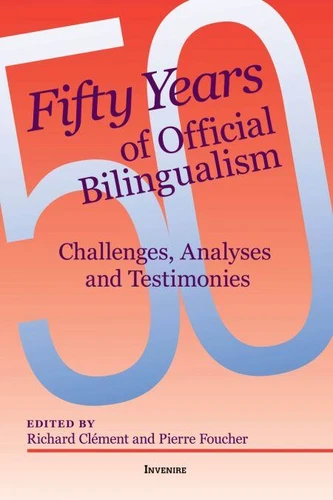
Fifty Years of Official Bilingualism. Challenges, Analyses and Testimonies
Par : , , , ,Formats :
Disponible dans votre compte client Decitre ou Furet du Nord dès validation de votre commande. Le format PDF est :
- Compatible avec une lecture sur My Vivlio (smartphone, tablette, ordinateur)
- Compatible avec une lecture sur liseuses Vivlio
- Pour les liseuses autres que Vivlio, vous devez utiliser le logiciel Adobe Digital Edition. Non compatible avec la lecture sur les liseuses Kindle, Remarkable et Sony
 , qui est-ce ?
Notre partenaire de plateforme de lecture numérique où vous retrouverez l'ensemble de vos ebooks gratuitement
Pour en savoir plus sur nos ebooks, consultez notre aide en ligne ici
C'est si simple ! Lisez votre ebook avec l'app Vivlio sur votre tablette, mobile ou ordinateur :

- Nombre de pages119
- FormatPDF
- ISBN978-0-7766-3838-6
- EAN9780776638386
- Date de parution10/08/2022
- Protection num.pas de protection
- Taille1 Mo
- Infos supplémentairespdf
- ÉditeurInvenire
Résumé
Fifty years ago, the Royal Commission on Bilingualism and Biculturalism published its final report. The result of innovative research and public consultations across the country, this report, replete with data and concepts, sets the stage for a comprehensive policy on official bilingualism, which would profoundly and indelibly change the face of Canada. The resolve to affirm the officially bilingual character of the country was met with the equally fervent determination to make French the common language of Quebecers.
This book provides a critical view of the content and the consequences of the report. It is the outcome of a series of conferences held across the country in 2013, which explored the impact of these two aspects. It combines analyses of the Commission's activities, its main players, and the specific content of certain volumes of the report. The book is divided into three parts: the first outlines the progress accomplished since the publication of the report and contributors' views of the challenges which continue to create controversy; the second part provides analyses and studies of topics covered by the Commission, effectively demonstrating how far things have evolved; and the third features testimonials, including a fascinating conversation between the first Commissioner for Official Languages, Keith Spicer, and the Commissioner in office at the time of publication, Graham Fraser.
This book provides a critical view of the content and the consequences of the report. It is the outcome of a series of conferences held across the country in 2013, which explored the impact of these two aspects. It combines analyses of the Commission's activities, its main players, and the specific content of certain volumes of the report. The book is divided into three parts: the first outlines the progress accomplished since the publication of the report and contributors' views of the challenges which continue to create controversy; the second part provides analyses and studies of topics covered by the Commission, effectively demonstrating how far things have evolved; and the third features testimonials, including a fascinating conversation between the first Commissioner for Official Languages, Keith Spicer, and the Commissioner in office at the time of publication, Graham Fraser.