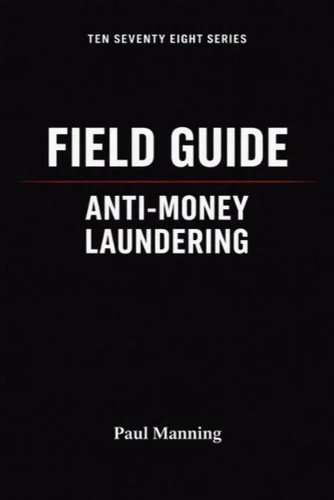
This field guide provides a practical, operational overview of anti-money laundering (AML), based on real-world investigative experience rather than theoretical or compliance-driven frameworks. Money laundering is not a secondary offence. It is the mechanism that allows criminal activity to scale, sustain, and reinvest. From organized crime groups and outlaw motorcycle gangs to fraud networks and transnational operations, the movement of money underpins everything.
This guide examines how money laundering actually works in practice. It moves beyond textbook definitions to focus on behaviour, methods, and patterns observed in real investigations. Topics include the three stages of laundering, common techniques such as structuring, nominee use, trade-based laundering, and real estate, as well as the role of financial institutions, red flags and indicators, enforcement challenges, and the evolving impact of technology.
It also addresses the realities often overlooked in formal AML discussions, including the limitations of reporting systems, the gap between suspicion and proof, and how criminal groups adapt to regulatory environments. At approximately 56 pages, this guide provides a more detailed and structured analysis than a basic overview, while remaining concise and focused. It is designed for law enforcement professionals, investigators, compliance personnel, journalists, and anyone seeking a clear, practical understanding of how illicit funds are generated, moved, and integrated into legitimate systems.
Written in a direct, operational style, this field guide prioritises clarity over theory and insight over volume. It is intended to provide immediate, usable understanding rather than abstract explanation.
This field guide provides a practical, operational overview of anti-money laundering (AML), based on real-world investigative experience rather than theoretical or compliance-driven frameworks. Money laundering is not a secondary offence. It is the mechanism that allows criminal activity to scale, sustain, and reinvest. From organized crime groups and outlaw motorcycle gangs to fraud networks and transnational operations, the movement of money underpins everything.
This guide examines how money laundering actually works in practice. It moves beyond textbook definitions to focus on behaviour, methods, and patterns observed in real investigations. Topics include the three stages of laundering, common techniques such as structuring, nominee use, trade-based laundering, and real estate, as well as the role of financial institutions, red flags and indicators, enforcement challenges, and the evolving impact of technology.
It also addresses the realities often overlooked in formal AML discussions, including the limitations of reporting systems, the gap between suspicion and proof, and how criminal groups adapt to regulatory environments. At approximately 56 pages, this guide provides a more detailed and structured analysis than a basic overview, while remaining concise and focused. It is designed for law enforcement professionals, investigators, compliance personnel, journalists, and anyone seeking a clear, practical understanding of how illicit funds are generated, moved, and integrated into legitimate systems.
Written in a direct, operational style, this field guide prioritises clarity over theory and insight over volume. It is intended to provide immediate, usable understanding rather than abstract explanation.

 , qui est-ce ?