
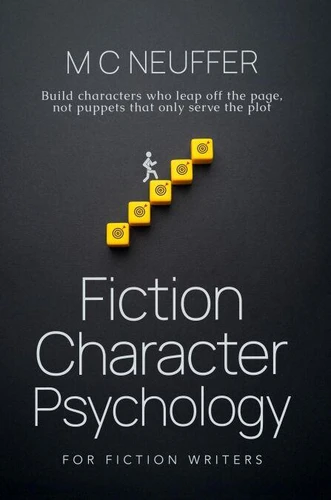
Fiction Character Psychology
Par :Formats :
Disponible dans votre compte client Decitre ou Furet du Nord dès validation de votre commande. Le format ePub est :
- Compatible avec une lecture sur My Vivlio (smartphone, tablette, ordinateur)
- Compatible avec une lecture sur liseuses Vivlio
- Pour les liseuses autres que Vivlio, vous devez utiliser le logiciel Adobe Digital Edition. Non compatible avec la lecture sur les liseuses Kindle, Remarkable et Sony
 , qui est-ce ?
Notre partenaire de plateforme de lecture numérique où vous retrouverez l'ensemble de vos ebooks gratuitement
Pour en savoir plus sur nos ebooks, consultez notre aide en ligne ici
C'est si simple ! Lisez votre ebook avec l'app Vivlio sur votre tablette, mobile ou ordinateur :

- FormatePub
- ISBN8235887695
- EAN9798235887695
- Date de parution18/04/2026
- Protection num.pas de protection
- Infos supplémentairesepub
- ÉditeurIoakim Ioakim
Résumé
Great characters don't just do things. They do the things their psychology makes inevitable. Fiction Character Psychology is a working reference for fiction writers who want to build characters from the inside out rather than forcing behavior to serve the plot. When a character's actions emerge from genuine psychological architecture, readers feel it. When they don't, readers feel that too. This guide covers the full spectrum of human psychology as it applies to character construction: nine Enneagram personality profiles with stress responses and growth arcs, Maslow's hierarchy bisected for dramatic tension, Freudian id/ego/superego as a scene-level tool, attachment styles, defense mechanisms, cognitive distortions, trauma responses, and abnormal psychology.
It goes further into villains and antagonists, unreliable narrators, self-labeled victims, group psychology, mob behavior, and the layering of multiple wounds. Organized as a diagnostic toolkit rather than a cover-to-cover read, each chapter answers a core question: given this character's psychological makeup, would they actually make this choice? And if not, what would they do instead?The result is characters who surprise the reader while remaining deeply true to themselves, who grow in ways that feel earned, and who make emotional connections that outlast the final page.
Browse first. Then reach for the chapter your character needs.
It goes further into villains and antagonists, unreliable narrators, self-labeled victims, group psychology, mob behavior, and the layering of multiple wounds. Organized as a diagnostic toolkit rather than a cover-to-cover read, each chapter answers a core question: given this character's psychological makeup, would they actually make this choice? And if not, what would they do instead?The result is characters who surprise the reader while remaining deeply true to themselves, who grow in ways that feel earned, and who make emotional connections that outlast the final page.
Browse first. Then reach for the chapter your character needs.
A propos de M C Neuffer
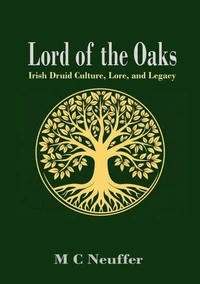
Lord of the Oaks
E-book
8,49 €
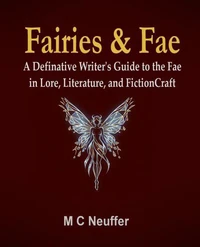
Fairies & Fae
E-book
8,49 €
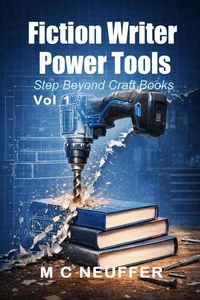
8,99 €
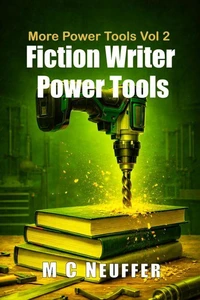
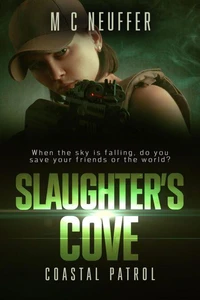
Slaughter's Cove
E-book
6,99 €
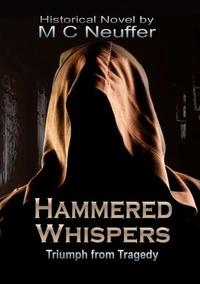
Hammered Whispers
E-book
6,99 €
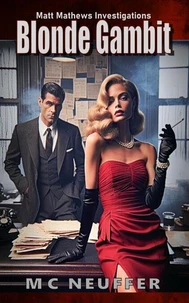
Blonde Gambit
E-book
8,49 €
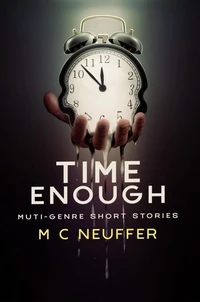
Time Enough
E-book
8,49 €
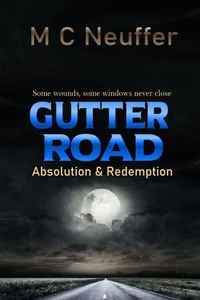
Gutter Road
E-book
3,49 €
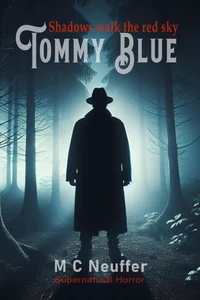
Tommy Blue
E-book
4,49 €
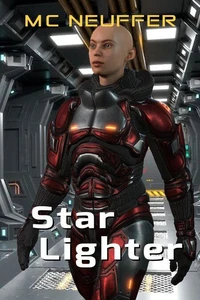
StarLighter
E-book
6,99 €
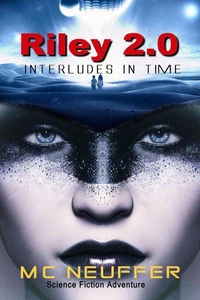
6,99 €
6,99 €
Heat & Light
E-book
6,99 €
8,99 €