SOLDES
Jusqu'à -70% sur une sélection d'articles*

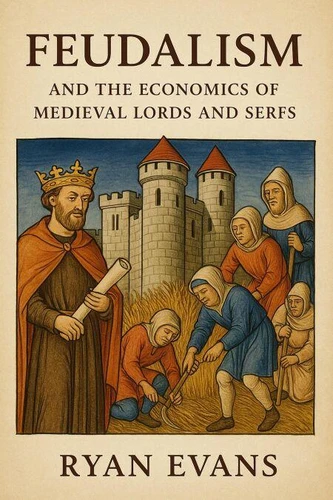
Feudalism and the Economics of Medieval Lords and Serfs
Par :Formats :
Disponible dans votre compte client Decitre ou Furet du Nord dès validation de votre commande. Le format ePub est :
- Compatible avec une lecture sur My Vivlio (smartphone, tablette, ordinateur)
- Compatible avec une lecture sur liseuses Vivlio
- Pour les liseuses autres que Vivlio, vous devez utiliser le logiciel Adobe Digital Edition. Non compatible avec la lecture sur les liseuses Kindle, Remarkable et Sony
 , qui est-ce ?
Notre partenaire de plateforme de lecture numérique où vous retrouverez l'ensemble de vos ebooks gratuitement
Pour en savoir plus sur nos ebooks, consultez notre aide en ligne ici
C'est si simple ! Lisez votre ebook avec l'app Vivlio sur votre tablette, mobile ou ordinateur :

- FormatePub
- ISBN8230574514
- EAN9798230574514
- Date de parution19/04/2025
- Protection num.pas de protection
- Infos supplémentairesepub
- ÉditeurIndependently Published
Résumé
In Feudalism and the Economics of Medieval Lords and Serfs, historian Ryan Evans offers a sweeping and deeply analytical exploration of the economic underpinnings of feudal society in medieval Europe. Spanning from the early Middle Ages through the dawn of modern capitalism, this scholarly work examines how the relationships between lords and serfs shaped not only the rural economy but also broader social, political, and urban developments that led to the eventual unraveling of the feudal order.
Through detailed historical commentary, analysis of primary sources such as manorial rolls, legal codes, and charters, and the integration of modern economic theory, Evans reconstructs the intricate web of labor, land, and power that sustained the manorial system. From the functioning of the three-field system and corvée labor to the rise of merchant towns and the monetization of rents, the book traces the slow but steady transformation of medieval economic life.
Evans also delves into the human dimensions of feudalism-examining the lives of women, the legal framework of manorial justice, peasant revolts, and the impact of crises like the Black Death-revealing how these forces chipped away at the foundations of serfdom and restructured society. With rich narrative and academic rigor, this book is essential reading for scholars and students of medieval history, economic history, and the origins of modern European society.
Through detailed historical commentary, analysis of primary sources such as manorial rolls, legal codes, and charters, and the integration of modern economic theory, Evans reconstructs the intricate web of labor, land, and power that sustained the manorial system. From the functioning of the three-field system and corvée labor to the rise of merchant towns and the monetization of rents, the book traces the slow but steady transformation of medieval economic life.
Evans also delves into the human dimensions of feudalism-examining the lives of women, the legal framework of manorial justice, peasant revolts, and the impact of crises like the Black Death-revealing how these forces chipped away at the foundations of serfdom and restructured society. With rich narrative and academic rigor, this book is essential reading for scholars and students of medieval history, economic history, and the origins of modern European society.
A propos de Ryan Evans


2,99 €


2,99 €


2,99 €


3,99 €

2,99 €
2,99 €