Annie Proulx is the author of nine books, including the novel The Shipping News, Barkskins and the story collection Close Range. Her many honors include a Pulitzer Prize, a National Book Award, the Irish Times International Fiction Prize, and a PEN/Faulkner award. Her story 'Brokeback Mountain, ' which originally appeared in The New Yorker, was made into an Academy Award-winning film. She lives in Vermont.
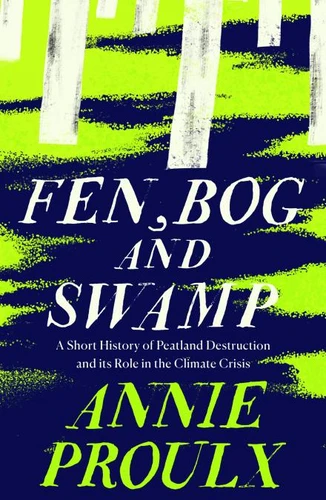
Fen, Bog and Swamp. A Short History of Peatland Destruction and Its Role in the Climate Crisis
Par :Formats :
Disponible dans votre compte client Decitre ou Furet du Nord dès validation de votre commande. Le format ePub protégé est :
- Compatible avec une lecture sur My Vivlio (smartphone, tablette, ordinateur)
- Compatible avec une lecture sur liseuses Vivlio
- Pour les liseuses autres que Vivlio, vous devez utiliser le logiciel Adobe Digital Edition. Non compatible avec la lecture sur les liseuses Kindle, Remarkable et Sony
- Non compatible avec un achat hors France métropolitaine
 , qui est-ce ?
Notre partenaire de plateforme de lecture numérique où vous retrouverez l'ensemble de vos ebooks gratuitement
Pour en savoir plus sur nos ebooks, consultez notre aide en ligne ici
C'est si simple ! Lisez votre ebook avec l'app Vivlio sur votre tablette, mobile ou ordinateur :

- Nombre de pages208
- FormatePub
- ISBN978-0-00-853441-7
- EAN9780008534417
- Date de parution27/09/2022
- Protection num.Adobe DRM
- Infos supplémentairesepub
- ÉditeurFourth Estate
Résumé
A BBC Radio 4 Book of the Week
'A subject that could not be more important. A compact classic!' Bill McKibben
'I learned something new - and found something amazing - on every page' Anthony Doerr, author of All the Light We Cannot See
From Pulitzer Prize winner Annie Proulx - whose novels are infused with her knowledge and deep concern for the earth - comes an urgent and riveting history of wetlands, their ecological role and how the loss of them threatens the planet.
Fens, bogs, swamps and marine estuaries are the earth's most desirable and dependable resources, and in four illuminating parts Proulx documents the emergence of their systemic destruction in the pursuit of profit and the consequent release of their stored carbon.
Wide-ranging and idiosyncratic, Proulx's explanation of wetlands takes readers to the fens of sixteenth-century England, Canada's Hudson Bay Lowlands, Russia's Great Vasyugan Mire and America's Okefenokee National Wildlife Refuge and introduces the nineteenth-century explorers who launched the ravaging of the Amazon rainforest. Proulx was born in the 1930s, a time, as she says, when 'in the ever-continuing name of progress, Western countries busily raped their own and other countries of minerals, timber, fish and wildlife.' Fen, Bog & Swamp is both a revelatory history and an urgent plea for wetland reclamation from a writer whose passionate devotion to observing and preserving the environment is on glorious display. 'Magnificent, bringing to life hitherto overlooked habitats' Guardian 'Proulx's sparkling book will open your eyes to humanity's reckless trashing of wetlands' Telegraph 'A haunting tribute .
Proulx's poetic description of these places, and peat itself, is a pleasure to read' Financial Times
Wide-ranging and idiosyncratic, Proulx's explanation of wetlands takes readers to the fens of sixteenth-century England, Canada's Hudson Bay Lowlands, Russia's Great Vasyugan Mire and America's Okefenokee National Wildlife Refuge and introduces the nineteenth-century explorers who launched the ravaging of the Amazon rainforest. Proulx was born in the 1930s, a time, as she says, when 'in the ever-continuing name of progress, Western countries busily raped their own and other countries of minerals, timber, fish and wildlife.' Fen, Bog & Swamp is both a revelatory history and an urgent plea for wetland reclamation from a writer whose passionate devotion to observing and preserving the environment is on glorious display. 'Magnificent, bringing to life hitherto overlooked habitats' Guardian 'Proulx's sparkling book will open your eyes to humanity's reckless trashing of wetlands' Telegraph 'A haunting tribute .
Proulx's poetic description of these places, and peat itself, is a pleasure to read' Financial Times
A propos de Annie Proulx

2/5
12,90 €
9,40 €
1/5
Mélodies du coeur - Occasion
Grand Format
3,86 €
Nouvelles histoires du Wyoming - Occasion
Grand Format
3,64 €
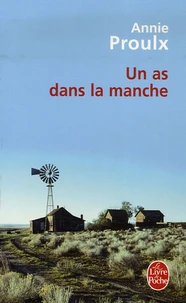
4,12 €

5,44 €
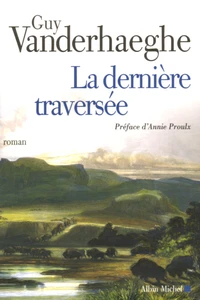
La dernière traversée - Occasion
Grand Format
12,26 €
4/5
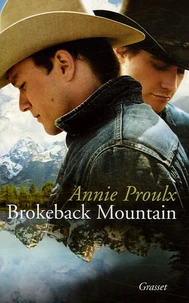
Brokeback Mountain - Occasion
Grand Format
5,06 €

Les crimes de l'accordéon - Occasion
Grand Format
12,38 €

4.8/5
4,46 €
3/5
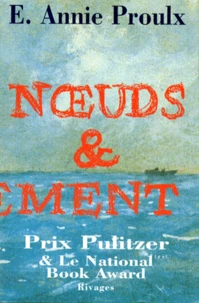
Noeuds et dénouement - Occasion
Grand Format
11,54 €
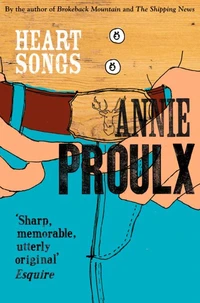
Heart Songs
E-book
6,99 €
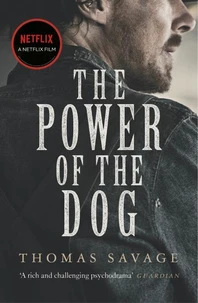
The Power of the Dog
E-book
8,49 €
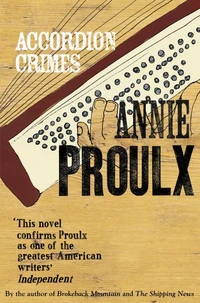
Accordion Crimes
E-book
14,52 €
That Old Ace in the Hole
E-book
7,79 €
Postcards
E-book
13,54 €