SOLDES
Jusqu'à -70% sur une sélection d'articles*

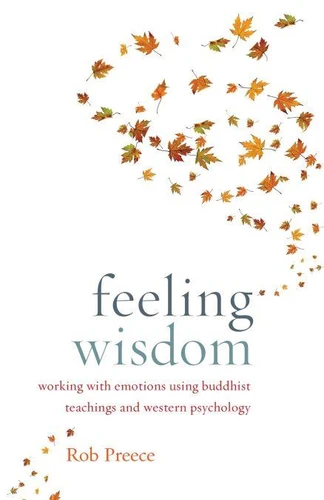
Feeling Wisdom. Working with Emotions Using Buddhist Teachings and Western Psychology
Par :Formats :
Disponible dans votre compte client Decitre ou Furet du Nord dès validation de votre commande. Le format ePub protégé est :
- Compatible avec une lecture sur My Vivlio (smartphone, tablette, ordinateur)
- Compatible avec une lecture sur liseuses Vivlio
- Pour les liseuses autres que Vivlio, vous devez utiliser le logiciel Adobe Digital Edition. Non compatible avec la lecture sur les liseuses Kindle, Remarkable et Sony
- Non compatible avec un achat hors France métropolitaine
 , qui est-ce ?
Notre partenaire de plateforme de lecture numérique où vous retrouverez l'ensemble de vos ebooks gratuitement
Pour en savoir plus sur nos ebooks, consultez notre aide en ligne ici
C'est si simple ! Lisez votre ebook avec l'app Vivlio sur votre tablette, mobile ou ordinateur :

- Nombre de pages128
- FormatePub
- ISBN978-0-8348-2993-0
- EAN9780834829930
- Date de parution13/01/2015
- Protection num.Adobe DRM
- Taille307 Ko
- Infos supplémentairesepub
- ÉditeurShambhala
Résumé
The realm of emotion is one of those areas where Buddhism and Western psychology are often thought to be at odds: Are emotions to be valued, examined, worked with as signs leading us to deeper self-knowledge? Or are they something to be ignored and avoided as soon as we recognize them? Rob Preece feels that neither of those extremes is correct. He charts a path through the emotions as they relate to Buddhist practice, showing that though emotions are indeed "skandhas" (elements that make up the illusory self) according to the Buddhist teaching, there is a good deal to be learned from these skandhas, and paying attention to their content contributes not only to psychological health but to deep insight into the nature of reality.
He draws on his own experiences with emotions and meditation, through his training in both Tibetan Buddhism and psychotherapy, to show how working with emotions can be a complement to meditation practice.
He draws on his own experiences with emotions and meditation, through his training in both Tibetan Buddhism and psychotherapy, to show how working with emotions can be a complement to meditation practice.